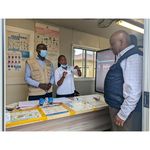
At a meeting organised by the African Biodiversity Network (ABN) on July 17, 2024, specialists from 21 African nations emphasised how resistant native seeds are to illnesses, climate change, and other difficulties.
Dar es Salaam. Environment experts have emphasised the crucial role of traditional seed and kernel storage methods in safeguarding Africa's food security.
Participants from 21 African countries gathered under the African Biodiversity Network (ABN) on July 17, 2024, to highlight the resilience of indigenous seeds to climate change, diseases, and other challenges.
“We have realised the importance of applying traditional technology in preserving biodiversity and likewise indigenous kernels,” said the Environmental, Human Rights Care and Gender Organisation, Envirocare chairperson, Ms Monica Kagiya.
Envirocare was among the organisations supported by the African Biodiversity Network (ABN) in executing Conserving Bio-Cultural Diversity through Strengthening Community and Ecosystem Resilience,’ using indigenous knowledge.
Ms Kagiya said she was advocating and promoting indigenous methods of biodiversity conservation through the project being executed in Tanzania and 20 other African countries.
The ABN board of trustees’ chairman, Dr Sulemana Abudulai, pointed out that in the wake of the negative effects of climate change, Africa has no choice other than to return to nature.
Through this three-year project, he said ABN was working to apply indigenous skills to solve many emerging environment-oriented disasters, including drought, famine, and food shortages.
“We can survive the effects of climate change if we go back to our traditional roots and adopt indigenous skills in preserving nature and maintaining livelihoods,” added Dr Abudulai.
“It is important to adopt the community knowledge systems, including the seeds that our farmers depend on, and involve the youth for inter-generational skills transfer,” said the ABN boss.
The Swedish International Development Agency's (Sida’s) programme manager for regional development cooperation in Africa, responsible for environment and climate, Ayele Kebede, said the agency supports the ABN in the execution of development projects, noting that $2.9 million (Sh7.54 billion).
“There is knowledge in the community, and the revival of that cultural and biological expertise is very important to the conservation of nature as well as the problem that we are facing today, which is climate change,” said Kabede.
ABN is an informal network created to pioneer African-centred solutions to sustainable management of biodiversity and protection of community rights, focusing on indigenous knowledge, agriculture, and biodiversity-related rights, policies, and legislation.
The network is pioneering culturally-centred approaches to social and environmental problems in Africa, sharing experiences, co-developing methodologies, and creating a united African voice on the continent on these issues.