Dar es Salaam. Continued investment in telecommunications infrastructure is driving the expansion of mobile network coverage across Tanzania, with fifth-generation (5G) mobile technology now reaching 32.83 percent of the population despite relatively low smartphone penetration.
According to the Tanzania Communications Regulatory Authority (TCRA), 5G population coverage increased to 32.83 percent in the quarter ending March 2026, up from 30.13 percent in the previous quarter.
However, geographical coverage remains limited. TCRA data show that 5G services cover only 11.04 percent of the country's land area, indicating that deployment is still concentrated in urban centres and commercially viable locations where operators have prioritised early investment.
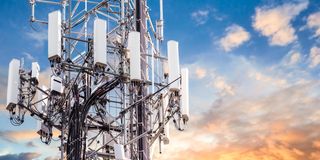
The regulator's latest statistics show that 10,084 telecommunications towers have been installed nationwide, forming the backbone of network expansion. Dar es Salaam leads with 1,242 towers.
Meanwhile, the wider mobile network ecosystem continues to rely heavily on older technologies, with 2G, 3G and 4G networks covering more than 70 percent of the country geographically.
This has helped to maintain broad access to basic connectivity as Tanzania gradually transitions towards faster broadband services.
Despite the expansion, the benefits of 5G remain out of reach for many Tanzanians. Internet subscriptions rose to 58.9 million during the review period, up from 58.1 million recorded in December 2025.
The regulator, however, identified several challenges facing the sector, including low smartphone penetration, which stood at 42.5 percent, equivalent to 28.5 million users, down from 29.8 million users in the previous quarter.
Other concerns include a 23.7 percent broadband geographical coverage gap and continued incidents of telecommunications-related fraud in some regions.
"Sector priorities include expanding broadband communications infrastructure, enhancing the uptake of digital services, and ensuring safe and secure communications infrastructure," reads part of the report's executive summary.
Nevertheless, TCRA says the sector continues to register strong growth, highlighting its contribution to Tanzania's digital transformation and socio-economic development.
The report notes that the industry remains resilient and adaptive, supported by sustained investment and growing demand across telecommunications, internet services, broadcasting, and postal and courier services.
TCRA director general, Peter Mwasalyanda, said the latest performance reflects steady progress towards a more connected and digitally inclusive society.
"The quarter's performance reaffirms the strong momentum towards a more connected, inclusive and digitally empowered Tanzania," he said.
Mr Mwasalyanda added that the regulator remains committed to fostering an enabling environment for investment, innovation and long-term growth within the digital ecosystem in line with national development priorities and the country's digital economy ambitions.
Beyond connectivity, the continued expansion of 5G networks is expected to support the growth of financial technology services, Internet of Things (IoT) applications, e-commerce and digital public services.
"This places the communications sector at the centre of Tanzania's broader digital transformation agenda, including the Tanzania Development Vision 2050, where high-speed connectivity is regarded as a key driver of economic competitiveness," he said.
Speaking to The Citizen, a Wireless and Mobile Communications lecturer at the Dar es Salaam Institute of Technology (DIT), Mr Ally Jumanne, said the relatively low uptake of smartphones is largely driven by the high cost of devices.
He said manufacturers should be encouraged to produce more affordable 5G-enabled smartphones to accelerate adoption.
"Without this, the transition may remain slow, despite the gradual improvements expected as technology evolves and becomes more accessible over time," he said.
Mr Jumanne also noted that 5G coverage remains limited and said the distinction between standalone and non-standalone networks is important in assessing the country's current level of deployment.
"Most operators are still using non-standalone 5G, which relies on existing 4G core infrastructure," he explained.
He said Tanzania had made notable progress compared with many countries and that consumers had generally shown a willingness to embrace new technologies.
"As the sector continues to grow, smartphone manufacturers are also likely to recognise the need to lower device prices in order to expand access," he said.
Register to begin your journey to our premium contentSubscribe for full access to premium content