Singapore. More barrels of South Sudan's Dar Blend crude oil returned to the marine fuel blending pool in Singapore and Malaysia this month as demand from China's refining sector eased, according to market sources and shipping data.
The rise in Sudanese oil imports added to other arbitrage supply, putting pressure on Singapore's low-sulphur fuel oil market towards the end of the month.
Earlier this year, Dar Blend was diverted away from the conventional marine fuel blending outlets to some of China's refineries, market sources said, after the US-Iran war disrupted heavy crude supply from the Middle East.
About 1.7 million barrels of Dar Blend arrived in Singapore and Malaysia in August, up for a third consecutive month, Kpler data showed.
China received no volume in August, the data showed, after importing Dar Blend every month between March and July.
"With incremental crude availability and choice, (China's) demand for additional barrels of heavy-sweet crudes like Dar has eased," said Emril Jamil, a senior oil research manager at commodities data firm Kpler.
Dar Blend is a heavy-sweet crude that can be used to blend or produce low-sulphur fuel oil with maximum 0.5% sulphur content used in powering ships.
The barrels are highly coveted due to limited availability of heavy-sweet crude that can be used to derive low-sulphur marine fuel that meets emission specifications.
"More Dar returning to the bunker blending pool pressured the low-sulphur market although tight availability of cutters and blendstocks should limit the downside," said Jamil, referring to fuel blending components used for reducing viscosity and sulphur content to meet marine fuel specifications.
Spot differentials for Singapore 0.5% low-sulphur fuel oil have fallen to a month's low this week, Reuters data showed.
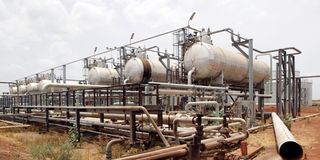
Sudan has been exporting about 2.6 million barrels of Dar Blend per month this year, up from a monthly average of 1.9 million barrels in 2025, Kpler data showed. The oil mainly loads from Sudan's Bashair port located in the Red Sea, oil industry, against Iran in general, and partners who are helping facilitate purchases of Iranian oil and its financial system.
Dar Blend crude lifters include BB Energy, BGN and PetroChina, according to market sources and shipping fixtures data.
Dar Blend exports resumed in February 2025 after a supply hiatus of nearly a year following a pipeline rupture in 2024. Before this, Dar barrels mostly headed to the United Arab Emirates for the Fujairah bunker hub, as well as Singapore and Malaysia.