MCL
|
MwanaClick
Home
National
international
More
•••
Sign in
My Account
Personal details
Change password
Purchases
Sign out
Search
Home
News
National
international
Sports
Football
Basketball
Athletics
Swimming
Business
Finance
Enterprise
Boss Talk
OpEd
Editorials
Our Columnists
Guest Columns
Cartoon
Puzzles
Zanzibar
Tourism
Blue Economy
Real Estate
Tech Page
Magazines
The Beat
Smart World
Political Reforms
Market Data
Jobs
Notices
Tenders
Notices
Tenders
Services
MCL
MwanaClick
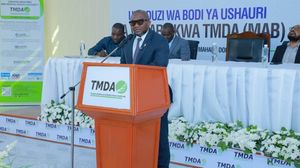
Tanzania showcases Kiswahili's global influence at World Language Day celebrations in Algeria
Saturday, July 11, 2026
- 2 min read
By
Baraka Loshilaa
Also Read
Two Tanzanians reportedly killed in Russia-Ukraine war as recruitment networks face scrutiny
Kenyan cult leader Mackenzie found guilty of 191 murders
Latest
‘Birdsong’ by Katya Balen: Finding the courage to try again
The new graduate's competitive advantage
TFF to conduct doping tests amid drug-use allegations
Two Tanzanians reportedly killed in Russia-Ukraine war as recruitment networks face scrutiny
Kenyan cult leader Mackenzie found guilty of 191 murders
Tanzania to block insurance payments for unregistered medicines
In the headlines
View All
Tanzania to block insurance payments for unregistered medicines
UK human rights envoy visits Tanzania ahead of UN review
Tanzania’s insurance market hits Sh2.55 trillion on rising health premiums
Foreign traders change tactics to operate businesses in Kariakoo