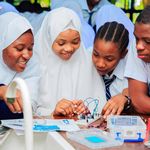
Dodoma. A total of 1,050 students have qualified for direct sponsorship under the Samia Scholarship Programme for undergraduate studies, with 50 set to study abroad and 1,000 expected to join local universities.
The scholarship is voluntary, meaning successful applicants will be required to confirm acceptance by filling in designated forms. Those selected for studies abroad will first undergo a 10-month preparatory programme at the Nelson Mandela African Institution of Science and Technology (NM-AIST) in Arusha.
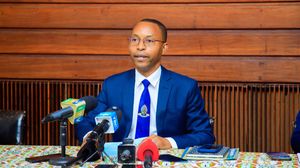
Speaking to journalists yesterday, Education, Science and Technology Minister Prof Adolf Mkenda said the scholarship targeted students who performed well in science subjects in Form Six examinations and were ready to pursue priority degree programmes.
“The 1,000 students whose names will be published on the website today will be required to confirm their university placements and they will receive 100 percent sponsorship. The 50 selected for studies abroad will also have their names published, but they must first confirm that they are willing to spend 10 months at NM-AIST,” Prof Mkenda said.
He said the delay before the overseas students begin their studies was due to differences in academic calendars between Tanzanian and foreign universities.
“We are taking them there to prepare them to become good ambassadors of Tanzania’s culture and values. We are also using this period because some of the foreign universities where they will study start their academic years later,” he said.
Prof Mkenda said the preparatory training would cover patriotism, ethics, Tanzanian culture and digital skills. He said some students come from schools with limited access to computers, making the training necessary before they begin studies abroad.
The Minister also encouraged students who believe they performed well in science subjects but were not selected to seek clarification from the ministry.
He said the government would work with the National Examinations Council of Tanzania (NECTA) to verify such cases, insisting that the selection process must be transparent.
Prof Mkenda said 58 percent of beneficiaries came from public secondary schools, while 42 percent were from private schools.
He added that students who fail to accept the scholarship offer would be replaced by other high-performing students who missed out due to limited available slots.