MCL
|
MwanaClick
Home
National
international
More
•••
Sign in
My Account
Personal details
Change password
Purchases
Sign out
Search
Home
News
National
international
Sports
Football
Basketball
Athletics
Swimming
Business
Finance
Enterprise
Boss Talk
OpEd
Editorials
Our Columnists
Guest Columns
Cartoon
Puzzles
Zanzibar
Tourism
Blue Economy
Real Estate
Tech Page
Magazines
The Beat
Smart World
Political Reforms
Market Data
Jobs
Notices
Tenders
Notices
Tenders
Services
MCL
MwanaClick
East African Community to celebrate World Kiswahili Day in Burundi
Saturday, June 20, 2026
- 2 min read
By
The Citizen Reporter
Media/news company
Mwananchi Communications Limited
Also Read
Finland’s women-in-tech model offers lessons for Tanzania
Finland offers Tanzania a blueprint for blue-economy innovation
Latest
Finland’s women-in-tech model offers lessons for Tanzania
Finland offers Tanzania a blueprint for blue-economy innovation
Miners told to prepare for heavy rains
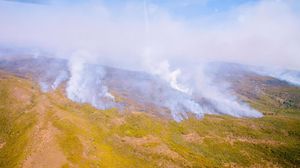
Kilimanjaro fire prompts temporary closure of two routes used for climbing the mountain
Macron invokes Europe’s Judeo-Christian foundation as Leo visits
Kenya set to make new monthly HIV prevention pill
In the headlines
View All
Mixed reactions greet new mandatory travel insurance for foreign visitors
Kilimanjaro fire prompts temporary closure of two routes used for climbing the mountain
Tanzania removes extra visa clearance for Nigerians
Concern as safety gaps leave fuel station workers exposed