Dar es Salaam. Tanzania’s water sector is losing billions of shillings annually due to leakages, illegal connections and weak revenue systems, according to two reports.
Findings from the Controller and Auditor General (CAG) show that the national average water loss rose to 35 percent in the 2024/25 financial year, up from 32 percent the previous year. The losses were estimated at Sh248.78 billion.
The Water Utilities Performance Review Report for 2024/25 shows that Non-Revenue Water (NRW)—water produced but not billed—increased to 42.3 percent, from 36.8 percent in 2023/24.
The report, prepared by the Energy and Water Utilities Regulatory Authority (Ewura), indicates that a large share of treated water is lost before reaching consumers.
“Overall NRW performance for Water Supply and Sanitation Authorities declined by 5.5 percent in the 2024/25 financial year,” the report states.
Ewura says the increase in water losses occurred despite improvements in production and service coverage, raising concerns about the sector’s ability to convert output into supply and revenue.
Revenue losses linked to NRW beyond acceptable levels are estimated at Sh182.6 billion.
About 75 percent of NRW is attributed to apparent losses, including illegal connections, meter inaccuracies and billing inefficiencies, pointing to weaknesses in monitoring and revenue collection.
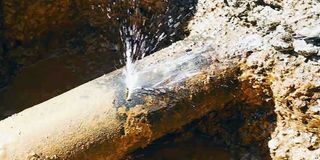
Physical losses caused by leakages in ageing infrastructure also remain a concern, reflecting limited investment in maintenance and system upgrades.
Although water production increased during the period under review, much of the output did not improve service delivery due to system losses.
Average water supply stood at 14 hours per day, below the 24-hour benchmark.
Ewura has urged utilities to reduce NRW through improved metering, infrastructure rehabilitation and enforcement against illegal connections.
The regulator warned that failure to act could affect the sector’s financial sustainability and delay progress towards universal access to clean and safe water.
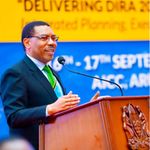
Speaking to The Citizen, WaterAid head of programmes Beda Levira said water losses remain a challenge, especially in rural areas.
He said there is a need to assess and rehabilitate ageing infrastructure to reduce leakages.
Mr Levira also called for better tools for field technicians to enable timely response to faults, noting that quick repairs could reduce water losses. He emphasised the need to improve metering systems, saying faulty and outdated meters contribute to revenue losses.
“There is a need for timely replacement of meters, both at household level and for bulk users.”
He also recommended establishing rapid-response teams to handle water-related faults and using technology to enable early reporting by the public.
Mr Levira said delays in addressing reported issues often increase water losses.
Tanzania Environment Journalists Association executive director John Chikomo, said water losses affect both households and the economy.
He said inefficiencies in the system often lead to higher costs for consumers.
“At the national level, water losses force the government to divert funds to infrastructure repairs instead of other priorities,” he said.
He also noted that water losses have environmental implications, stressing the need for conservation.