Avocado prices increase in Dar as export, domestic demand jumps

Dar es Salaam. Growing demand from export markets and local processing factories has pushed up avocado prices in retail markets across the city, as farmers increasingly opt to sell to buyers offering higher returns.

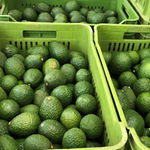
A survey by The Citizen shows retail prices now range between Sh1,500 and Sh3,000 per piece, even for small sizes.
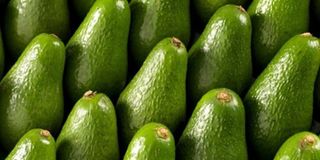
Prices have risen sharply compared to previous months when avocados were more widely available.

Traders say the price increase began in December, after farm-gate prices started to rise steadily. Limited supplies from production areas have forced vendors to compete for available produce.

Some traders had relied on imports from neighbouring Burundi to meet demand, but these consignments are currently unavailable, further tightening supply.

Stakeholders attribute the price rise to expanding export opportunities and the growth of local processing industries. Export companies are buying large volumes for overseas markets, while local factories use avocados for products such as edible oil and cosmetics. This has reduced the volume reaching traditional retail markets.

Speaking to The Citizen, Chairperson of the Mwandiru Agricultural and Marketing Co-operative Society, Mr Lusekelo Mwabibete, said demand in export and processing markets exceeds available supply.

“Farmers are now selling more to exporters and factories because the prices offered are better and more reliable. Demand is higher than production, especially outside the main harvesting season,” he said.

The main harvesting season runs from January to March, during which farmers distribute produce to domestic markets, processing factories and export destinations. Outside this period, supply drops while demand remains strong.

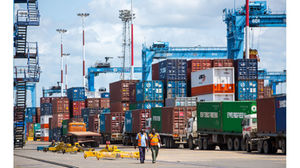
Mr Mwabibete added that part of the produce is exported through the Cereals and Other Produce Regulatory Authority (Copra), while the rest goes to local wholesale markets in Dar es Salaam such as Kariakoo, Ilala and Mabibo.

“Farmers naturally choose markets offering better prices. Exporters and factories buy in bulk and pay promptly. This benefits farmers because their incomes have improved,” he said.

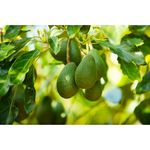
He noted that last season strong winds affected flowering in new trees, reducing output.

At Mabibo Market, trader Hamdan Yusuph said the scramble for avocados has intensified.

“The wholesale price of a 50-kilogramme sack has risen from Sh120,000 to Sh200,000. Availability is challenging because exporters and factories purchase directly from farms. By the time we reach farmers, much of the produce is already committed,” he said. Retailers have raised prices to cover costs.

Govt intervention

Copra’s head of Horticulture and Pyrethrum Section, Ms Lilian Mpinga, said avocados have transitioned from a traditional crop to a structured commercial venture driven by rising local and global demand.

“Previously, we mainly had traditional varieties for local consumption. Today, improved commercial varieties target export markets. Some companies export avocados at Sh2,000 to Sh3,500 per kilogramme depending on quality and destination. Farmers will opt for the best price,” she said.

She added that processing industries have strengthened the value chain, as avocados that do not meet export standards are now supplied to factories for avocado oil processing.

“Expansion adds value and increases farmers’ incomes. However, rapid demand while production remains limited affects retail prices. The authority is implementing strategies to ensure sustainability locally and abroad,” she said.

Avocados are available year-round, although peak season runs from February to May. Prices fluctuate depending on supply and demand.

Copra has introduced strategies including distributing quality seedlings through subsidy programmes and strengthening extension services to improve productivity. Farmers receive training on best agricultural practices, while youth under the Building a Better Tomorrow programme support extension services in avocado-growing regions.

Exporters have expanded markets in the Middle East, Europe, India, and parts of Asia, with efforts ongoing to access China. Rising international demand and expanding domestic processing have made avocados one of the country’s most promising horticultural products.