How tax decisions in 2026/27 Budget could affect you

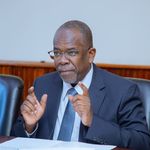
KPMG Tanzania Tax Partners Samwel Esupu and Fabiola Ssebuyoya during national budget dialogue with The Citizen in Dar es Salaam recently. PHOTO | Michael Matemanga

Dar es Salaam. As Tanzania prepares to implement its Sh61.93 trillion budget for the 2026/27 financial year, tax experts are calling for reforms that balance revenue collection with economic growth, private sector expansion, and investment attraction.

Speaking in an exclusive budget dialogue, KPMG Tanzania Tax Partners Fabiola Ssebuyoya and Samwel Esupu highlighted several tax policy considerations that could significantly influence the lives of ordinary citizens, the competitiveness of businesses, and investor confidence.

With the government targeting more than Sh41 trillion in domestic revenue collection, the challenge, according to the experts, is how to mobilise additional resources without placing excessive pressure on existing taxpayers.

For ordinary Tanzanians, one of the most important issues is disposable income. While inflation has remained relatively stable, rising living costs continue to affect households. Mr Esupu noted that any increase in indirect taxes, such as Value Added Tax (VAT) or excise duties, could further reduce consumers' purchasing power if not accompanied by measures that increase disposable income.

"If you reduce my PAYE, I'll have more disposable income, and if costs rise, I'll still be able to pay. If costs go up and my income remains the same, then my purchasing power will ultimately depend on the policies the government puts in place," he said.

The experts argue that tax policy should not focus solely on revenue collection but also consider the impact on household spending, consumption, and overall economic activity. Maintaining a balance between taxation and consumer welfare will be critical as the government seeks to fund ambitious development priorities.

For businesses, particularly Small and Medium Enterprises (SMEs), KPMG sees significant opportunities in broadening the tax base rather than increasing the burden on already compliant taxpayers.

SMEs account for the vast majority of businesses in Tanzania, yet many continue to operate informally. According to Ms Ssebuyoya, encouraging voluntary compliance among informal businesses could unlock substantial revenue while strengthening the country's economic foundation.

"Perhaps considering other options, such as encouraging small and medium-sized enterprises to come into the tax net and comply voluntarily, may serve the purpose of widening the tax base," she said.

Among the proposals put forward are simplified business registration procedures, streamlined tax compliance requirements, and targeted tax amnesty programmes designed to encourage informal businesses to formalise their operations.

Such measures could help reduce compliance costs, increase tax collections over the long term, and create a more level playing field for businesses operating within the formal economy.

The KPMG partners also highlighted concerns around multiple taxes and levies imposed by different government authorities. Businesses in sectors such as tourism, hospitality, telecommunications, and mining continue to face challenges arising from overlapping tax obligations and administrative complexities.

Addressing these issues, they argue, would improve the ease of doing business and support private sector growth.

For investors, predictability and certainty remain among the most important factors influencing investment decisions. While Tanzania offers a range of tax incentives for strategic sectors, investors increasingly look beyond incentives and focus on the consistency and transparency of tax administration.

The experts noted that differences between tax legislation and the practical application of tax systems can create uncertainty and increase compliance costs. Improving administrative efficiency, enhancing clarity in tax rules, and ensuring consistent application of regulations would help strengthen investor confidence.

At a time when development partner funding is declining, attracting private investment has become increasingly important for financing economic growth and infrastructure development.

The experts also see opportunities in emerging financing instruments such as infrastructure bonds, which could provide investors with additional avenues to participate in Tanzania's development while supporting critical national projects.

Ultimately, the success of Tanzania's fiscal strategy will depend not only on how much revenue is collected, but on how effectively tax policies support economic growth, business formalisation, investment attraction, and household prosperity.