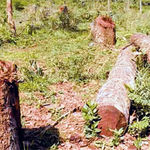
Iringa. The Tanzania Revenue Authority’s (TRA) new two percent levy on forest produce, including timber, poles, and firewood, has stirred mixed reactions among farmers and traders in Iringa as stakeholders assess its implications for revenue collection and business formalisation.
Introduced through amendments to the 2025/26 Finance Act, the tax took effect on January 1, 2026.
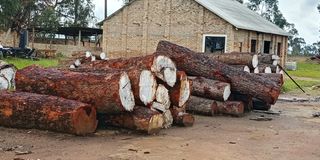
It requires anyone harvesting forest produce to pay two percent of a consignment’s value before transporting it to market.
TRA issues a certificate of payment that serves as legal documentation during transit.
Some traders have welcomed the measure, saying it promotes compliance and supports a formal market.
A forest produce trader from Mufindi, Mr Awadhi Shedafa, said, “The tax is affordable and manageable. It encourages us to operate legally and builds confidence in trade.”
Others, however, urged the TRA to step up taxpayer education, particularly in rural areas where most forestry activities are conducted.
Mafinga-based trader, Mr Juma Mhando, said, “Many people need clearer guidance to understand the procedures and avoid mistakes when paying the tax.” Among timber dealers, the levy has improved transparency as Ms Saada Msuya from Mafinga said, “We can now buy forest produce from various sources with confidence because there is a verification certificate.”
Farmers welcome transparency
Some farmers including Mr Rashid Kweka described the tax as fair and beneficial.
“Paying the tax early enables us to sell without fear. Two percent is small compared with the benefits of formal trade,” said Mr Kweka.
Ms Rehema Nyoni said the measure strengthens trust between farmers and buyers: “Buyers now approach us because everything is clear and documented.”
Previously, farmers faced difficulties due to lack of documentation, forcing some to sell at lower prices or through informal intermediaries, which cut profits. The new system, with identification certificates, is expected to improve transparency and secure trade for both sellers and buyers.
Another farmer, Mr Hassan Luhanga, emphasised the need to make services accessible to remote producers. “Payment centres must be brought closer to us to avoid high transport costs,” he said.
TRA clarifies objectives
TRA’s Taxpayer Education Manager, Mr Paul Walalaze, said the levy simplifies compliance for small-scale farmers and traders.
“The payment certificate reduces inconvenience for traders and buyers who previously lacked legal documentation,” he said.
The authority clarified that the tax does not apply to institutional, corporate, or joint-venture farms, which continue to pay corporate taxes.
TRA pledged to provide education through media campaigns, meetings, and coordination with government leaders to ensure smooth implementation.
TRA Iringa regional manager, Mr Peter Jackson, urged local leaders and stakeholders to help educate taxpayers and stressed that the new charge also targets illegal trade, aiming to curb revenue leakage and improve transparency from harvest to market.
Economic implications
Business observers say the tax could formalise the forest produce market, strengthen record-keeping, and boost revenue collection while increasing trust between farmers and traders. Its success will depend on effective taxpayer education and payment systems for remote producers.
Register to begin your journey to our premium contentSubscribe for full access to premium content