Kyela eyes Sh100bn from four crops as farmers assured of market, prices

Kyela District Cooperative Union (Kyecu) general manager Aman Hankungwa speaks at his office. PHOTO | SADAM SADICK

What you need to know:

  • The crops—cocoa, sesame, pigeon peas and cashew nuts—have been integrated into the warehouse receipt system under the Tanzania Mercantile Exchange (TMX), a strategic move aimed at enhancing farmers’ returns.

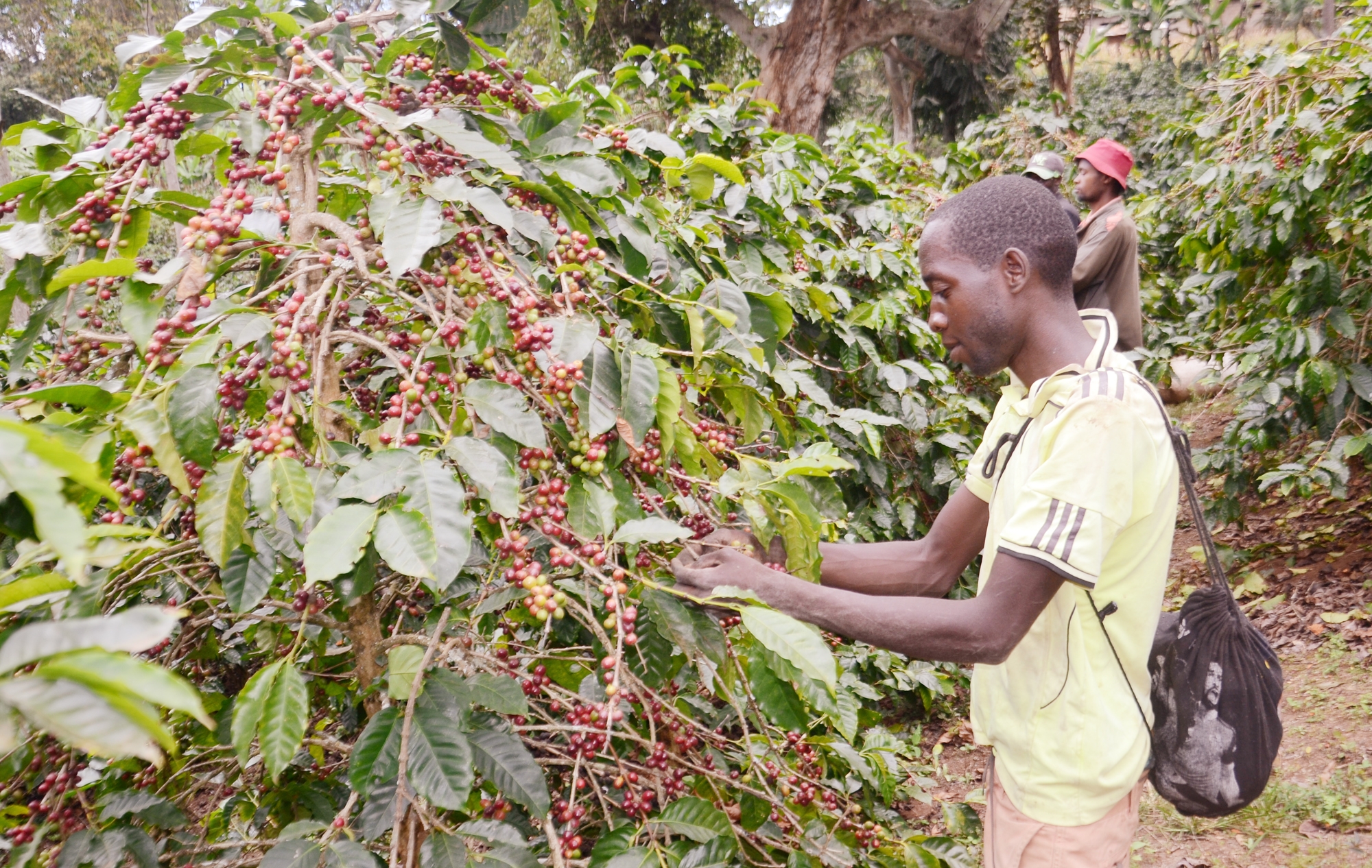
Mbeya. More than Sh100 billion is expected to be raised from four strategic crops in Kyela District, Mbeya Region, as farmers are set to overcome longstanding challenges related to market access following measures put in place by the Kyela District Cooperative Union (Kyecu).

The crops cocoa, sesame, pigeon peas and cashew nuts—have been integrated into the warehouse receipt system under the Tanzania Mercantile Exchange (TMX), a strategic move aimed at enhancing farmers’ returns. 

Speaking yesterday, Kyecu general manager Aman Hankungwa said the union was strengthening good agricultural practices to ensure production meets both domestic and international market demand and competition.

He said that over a one-year period ending March 31, 2027, the union expects to raise more than Sh100 billion, a target anchored on safeguarding farmers’ interests through assured markets and profitable prices.

“For cocoa, we expect to harvest nine million kilogrammes. At a reference price of Sh10,000 per kilo, this translates into Sh90 billion.

For sesame, we are targeting 1,000 tonnes, equivalent to one million kilogrammes, with projected earnings of Sh1.5 billion. Cashew nuts are expected to reach 300 tonnes at Sh1,800 per kilo, amounting to Sh540 million,” he said.

“On pigeon peas, we expect a harvest of 300 tonnes. To achieve these targets, we want production to increase in both quantity and quality in line with market demand and competition locally and internationally,” Mr Hankungwa added.

He said Kyecu plans to distribute 8,000 improved cashew seedlings in early April this year, prepared in collaboration with the Cashew Board of Tanzania, while also addressing farmers’ challenges in accessing agrochemicals.

Mr Hankungwa noted that the initiative would directly benefit farmers, as prices were previously unfavourable and markets uncertain before the crops were brought under the warehouse receipt system.

“In this regard, all farmers will be reached with training on good agricultural practices that respond to consumer needs and the market at large. We are also preparing to offer competitive prices, as is the case with cocoa, because in the next two years we will have processing factories in place,” he said.

A sesame farmer, Mr Benson Edson, said high production costs remained a major challenge, calling on the union and the government to review fertiliser prices.

“We incur high costs in preparing and running this crop. We are asking for prices that reflect the effort farmers put in. We are encouraged by Kyecu’s leadership and the hope they are giving us,” he said.

Meanwhile, pigeon pea farmer Ms Selina Mwansasu said Kyecu’s decision to include the crop in the TMX system would be transformative by guaranteeing both market access and fair prices, as is the case with other crops.

“Even last season, as a starting point, we saw some relief. Essentially, these efforts should continue so that we can sell at higher prices and improve the livelihoods of farmers who largely depend on this crop,” she said.