Unguja. Zanzibar’s tourism has long been defined by turquoise waters, coral beaches and the heritage of Stone Town. In recent years, however, a quieter economy has emerged, centred on wellness, healing and a slower, more intentional way of living.
From boutique retreats to high-end spas, the islands are positioning themselves as a destination where rest and culture intersect.
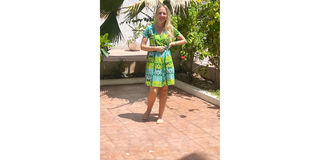
Few stories reflect this transformation as vividly as that of Svitlana Nikolaieva, known as Nuru (pictured), a Ukrainian-born former paediatrician who arrived in Zanzibar by chance and built a life, and a business, around a new understanding of care.
Trained as a medical doctor, Ms Nuru began her career in paediatrics, driven by a desire to help children heal. Over time, however, hospital systems left her uneasy.
“I started questioning a model of healthcare that focused almost entirely on illness and pain,” she recalls. “There was little space for prevention, balance or happiness.”
Seeking a different approach to health, she left clinical medicine and travelled to Nepal, where she studied Ayurveda, the ancient holistic system of wellbeing.
There, she realised that healing could focus on harmony, between body, mind and environment, not just diagnosis and treatment.
Zanzibar entered her life unexpectedly. Drawn by the coast and the island’s calm rhythm, Ms Nuru settled in south-east Unguja and, in 2020, opened a small wellness space in Jambiani. The timing was challenging, with global tourism in flux, yet the concept, personal, culturally grounded and deeply human, carried it through.
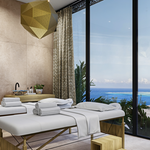
Rather than focusing solely on physical treatments, the spa blended Ayurvedic principles with African rituals and emotional wellbeing, offering guests a chance to reconnect with themselves.
Three years later, Nuru Spa and Wellness was named Africa’s best spa, an accolade that surprised its founder. By 2025, the venture had outgrown its original premises and moved to a larger, purpose-built space in Bwejuu, reflecting growing demand and the island’s evolving tourism offer.
Running a business in Zanzibar comes with challenges, Ms Nuru says, but none insurmountable. “You have to manage many moving parts at once, and as a single female business owner on a male-dominated island, earning respect matters,” she notes.
Supply chains for specialised products are limited, and reliable electricity, water and internet require careful planning. Still, she finds the experience deeply rewarding.
“Zanzibar is a paradise, but more importantly, the people are kind and genuinely care. I’m very grateful for my life here.”
Ms Nuru’s guiding philosophy is simple: a happy person rarely falls sick. From this flows a menu of experiences, sound healing, chakra cleansing, African hammam rituals, and water-based singing bowl massages, designed to restore rather than impress.
Her team reflects the same ethos. All therapists are women, a deliberate choice to create trust and mutual care.
The spa has become a rare source of stable, long-term employment in an industry often characterised by short contracts and seasonal work. Elizabeth Mshana, a therapist trained at Maruhubi Tourism College, joined in 2022.
Originally from Moshi, she describes Nuru as “warm, generous and deeply human,” noting that staff welfare is treated as seriously as guest experience.
Beyond wellness treatments, Nuru has expanded into hospitality through Kimulimuli Ayurveda Spa, a small accommodation facility combining family-friendly rooms, wellness services and a restaurant offering local and international cuisine, including vegetarian, vegan and halal options.
Located near Jozani Chwaka Bay National Park, it serves both tourists and locals, linking tourism to community livelihoods.
The expansion comes as Zanzibar’s tourism sector records strong growth. In 2025, the islands welcomed a record 917,167 international visitors, nearly 25 percent more than the previous year.
While European tourists dominate, arrivals from Asia and other regions have grown, broadening the sector’s resilience.
Tourism remains a pillar of Zanzibar’s economy, supporting employment across hospitality, transport and services. As the sector matures, smaller, skills-based enterprises like Nuru’s add depth to an industry long dominated by large resorts.
Today, Ms Nuru calls Zanzibar home. From paediatric wards in Ukraine to Ayurvedic classrooms in Nepal, and finally to the shores of the Indian Ocean, her journey mirrors a wider shift in the islands’ tourism narrative, one that values not only what visitors see, but how they feel when they leave.
As she often tells her guests, the message is simple: the world is beautiful because you are in it.
Register to begin your journey to our premium contentSubscribe for full access to premium content