Morocco urges residents to leave flood‑risk areas as evacuations exceed 108,000
Local authorities in the Ksar El Kebir province continue emergency operations, after heavy rainfall raised water levels in the region, disrupting traffic on multiple roads, in Ksar El Kebir, Morocco January 30, 2026.
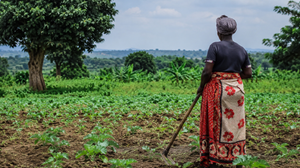
Northwestern Morocco, known as the Gharb region, is a key wheat-producing region made of low‑lying plains that drain poorly after weeks of heavy rain and due to lack of slope.
Rabat. Morocco urged residents of flood‑prone areas in the country's northwestern plains to leave immediately on Wednesday, amid rising threats of inundation from heavy rain, swollen rivers and the release of more water from full dams.
The number evacuated by authorities reached 108,432, the Interior Ministry said.
Helicopters were deployed in rescue operations as rising waters inundated fields and villages across the northwest. The army has been deployed since Friday to help with evacuations amid a red alert for more heavy rainfall this week.
Northwestern Morocco, known as the Gharb region, is a key wheat-producing region made of low‑lying plains that drain poorly after weeks of heavy rain and due to lack of slope.
Rainfall in Morocco is up 215% from last year and 54% above the historical average, official data showed.
Evacuations were ordered in parts of the Larache province, including the city of Ksar El Kebir, Souaken, Ouled Ouchih, the Larache industrial zone and areas near the banks of the Loukous river, as a precaution against further flooding, the Interior Ministry said.
A man carries a woman as local authorities in the Ksar El Kebir province continue emergency operations, after heavy rainfall raised water levels in the region, disrupting traffic on multiple roads, in Ksar El Kebir, Morocco January 30, 2026.
Most evacuations took place in Ksar El Kebir, where authorities said 85% of the population had already left. State TV showed those moved being given shelter and food in camps.
Ksar El Kebir has been largely deserted, with many neighbourhoods submerged after the Loukous river burst its banks last week.
Officials are particularly concerned about the Oued Makhazine dam near Ksar El Kebir, which is operating at 146% capacity after weeks of heavy rain, raising pressure to release more water downstream, according to a statement by the water ministry.
Residents said electricity had been cut in parts of Ksar El Kebir.
Rights groups have called on the government to declare the affected areas "disaster‑stricken," which would allow residents to access insurance coverage for flood damage.
The exceptional rainfall has ended a seven‑year drought that had pushed Morocco to accelerate investments in desalination.
The national dam‑filling rate has risen to nearly 62% from 27% a year earlier, with several large dams being partially emptied to absorb new inflows.