Thousands seek to leave South Africa ahead of anti-immigrant protests

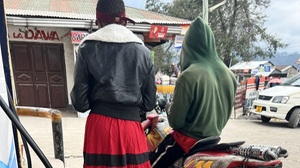
A Zimbabwean migrant carries luggage outside the Zimbabwe Consulate amid fears of anti-immigrant violence ahead of a June 30 deadline set by activists demanding undocumented migrants leave the country, in Cape Town, South Africa, June 22, 2026. PHOTO | REUTERS
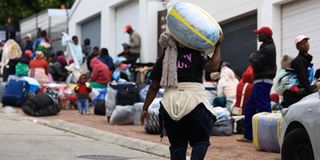
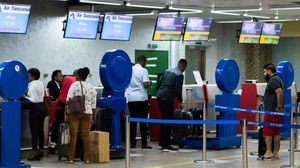
Durban. Thousands of migrants have gathered at temporary processing centres and diplomatic missions across South Africa in a bid to leave the country before nationwide anti-immigrant protests planned for June 30, amid fears that the demonstrations could turn violent.

In the coastal city of Durban, thousands of Malawian migrants queued at a makeshift camp awaiting transport home, while hundreds of Zimbabweans spent the night on pavements outside their country's consulate in Cape Town.

Many said they feared becoming targets of violence linked to a recent wave of xenophobic protests and attacks that has swept parts of South Africa.

"We are scared because you never know what people are planning to do to you. It's not right to wait and see what will happen," said 37-year-old Ebrahim Moosa, who was waiting with his wife in a long queue in Durban. Some of those waiting carried young children as they hoped to secure places on buses to Malawi.

South Africa has witnessed recurring anti-immigrant protests and, in some cases, deadly attacks in recent weeks, forcing many foreign nationals to flee their homes or seek refuge elsewhere.

Anti-immigrant groups have declared June 30 as a deadline for undocumented migrants to leave the country. Several cities are preparing for possible unrest, despite repeated government appeals urging citizens not to take immigration enforcement into their own hands.

"We are appealing to all those who will be marching to respect the police," said Phumelele Makoba, acting police commissioner for KwaZulu-Natal province, which authorities expect to be among the areas most affected.

Police have pledged a large-scale deployment to maintain public order. President Cyril Ramaphosa said on Thursday that South Africa's security forces were prepared.

March and March, one of the groups leading the protests, has stated that it is not advocating violence. However, the organisation said it would not accept responsibility for any violence that may occur on June 30.

Xenophobic violence has long been a recurring challenge in South Africa, where some citizens blame migrants, particularly those from other African countries, for crime, unemployment and pressure on public services.

President Ramaphosa has urged South Africans not to scapegoat foreigners, arguing that many of the country's social and economic challenges stem from the legacy of apartheid.

Although South Africa has experienced years of sluggish economic growth and remains one of the world's most unequal societies, it continues to attract migrants seeking employment opportunities because it remains Africa's largest economy.

Mozambican national Antonio Njive, who had worked various jobs in South Africa since 2019, returned home on June 1 after his house was destroyed during violence that reportedly claimed the lives of five fellow Mozambicans.

"I left home without clothes. Everything was burned," he said by telephone from Chibuto, Mozambique.

Njive, his wife and their six-year-old daughter were among hundreds of Mozambicans repatriated by bus. Malawi and Zimbabwe have also organised repatriation efforts, although authorities have struggled to meet growing demand.

"We are sleeping outside waiting for buses. Everyone just wants to go home," said Amina Chiwoko, 30, outside the Zimbabwean consulate in Cape Town.

However, not all foreign nationals have the option of returning home.

Leanne Sefu, a 25-year-old asylum seeker from the Democratic Republic of Congo who arrived in South Africa at the age of three, said returning to her country was not an option because of the ongoing conflict there.

"The entire world knows that there's a war in Congo, so me going back feels like going back to death," she said.

After being attacked at the nail salon where she worked in Durban and forced to flee her home, she is now among dozens of people sheltering outside a Home Affairs office.

"What I'm hoping is that maybe the government can help us find a shelter. Since yesterday, we've been hearing that people are being attacked and they're coming here," she said while sitting on a mattress on the pavement.

"There's no safety here."