The meeting will take place at a time the seven-nation bloc is grappling with the violence in eastern Democratic Republic of Congo (DRC).
The crisis has seen four of the seven member countries deploying troops to North Kivu where the country's troops have been battling with M23 insurgents.
The EAC, on its part, has also deployed its own East African Regional Force (EARF) to restore peace and order in the restive region.
One of the member states which has deployed troops to the DRC is South Sudan whose President Salvar Kiir is expected to take over as the new EAC chair.
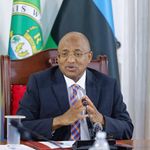
The EAC secretary general Peter Mathuki said President Kiir will take over the chairmanship from President Evariste Ndayishimiye of Burundi whose one year tenure will end. This will be the first time for a South Sudan leader to take over as new chair of the EAC since his country joined the bloc in 2016.
The chairmanship of the EAC Summit, the supreme organ of the Community, is a rotating position that is held by each member state for a one-year term.
The current EAC chairperson Burundi’s President Ndayishimiye took over in July last year when the summit was also held in Arusha.
Although the summit gives "general directions and impetus" on the EAC programmes, it is empowered to issue implementable directives on pertinent issues.
This time around it would be on how to address the challenges of climate change and boost food security through increased production.
Only three weeks ago, the EAC said it will roll out its five-year Strategy and Action Plan on Food and Nutrition Policy mulled a few years ago to plug food deficits.
This was revealed in Kampala, Uganda during the launching of a report on the gravity of food insecurity and malnutrition in the region.
"To gauge the region's level of food and nutrition security, the report also unveils disaster risk management approaches,” said Mr Fahari Marwa, the principal agricultural economist with the EAC secretariat.
Food security is one of the flagship programmes implemented by the EAC secretariat designed to address the emerging shortages through a multi-sectoral approach.
The partner states have repeatedly been urged to transform their agriculture to attain food security and rational agricultural development.
For instance, the 6th EAC Development Strategy 2021/22-2025/26 pledged to eliminate hunger, malnutrition and extreme poverty by 2023.
However, regional analysts regretted that the regional performance in respect of implementation of Malabo Declaration on agricultural production targets remains too low.
The EA region appeared was on the brink of alarming food scarcity from late last year to early this year due to insufficient rains in many areas.