MCL
|
MwanaClick
Home
National
international
More
•••
Sign in
My Account
Personal details
Change password
Purchases
Sign out
Search
Home
News
National
international
Sports
Football
Basketball
Athletics
Swimming
Business
Finance
Enterprise
Boss Talk
OpEd
Editorials
Our Columnists
Guest Columns
Cartoon
Puzzles
Zanzibar
Tourism
Blue Economy
Real Estate
Tech Page
Magazines
The Beat
Smart World
Political Reforms
Market Data
Jobs
Notices
Tenders
Notices
Tenders
Services
MCL
MwanaClick
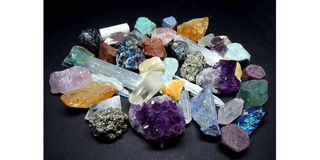
Mineral boom powers EAC trade to $46.3 billion
Wednesday, June 10, 2026
- 2 min read
By
Bertha Ismail
Also Read
Legacy: Mama Fatma Karume’s life, political activism and contribution to Tanzania
Sirro invites DRC, Burundi investors to explore Kigoma opportunities
Latest
Tanzania qualify for U-20 Afcon finals after seeing off Burundi
Legacy: Mama Fatma Karume’s life, political activism and contribution to Tanzania
Sirro invites DRC, Burundi investors to explore Kigoma opportunities
Appellate Court frees two men accused of mineral trader's murder in Tanzania
Eastern Africa launches council to tackle horticulture trade barriers
Tanzania detains 34 after deadly attack on conservation officers in Tabora
In the headlines
View All
Legacy: Mama Fatma Karume’s life, political activism and contribution to Tanzania
NSSF’s Dege Eco Village project now back on the drawing board
Dar waste stench exposes gaps in law enforcement
Sirro invites DRC, Burundi investors to explore Kigoma opportunities