London/Washington. The United States’ recent control over Venezuela’s oil exports has complicated the country’s debt payments to China, raising the prospect of a major showdown between the two global powers and further challenging Venezuela’s path out of default.
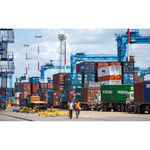
About a tenth of Venezuela’s $150 billion foreign debt is owed to China, which had been repaid partly through oil shipments. That arrangement has been disrupted after U.S. authorities took control of the country’s oil revenue earlier this month.
Debt experts warn that any dispute between Washington and Beijing over the payments could make it harder for Venezuela to restructure its debt following its 2017 default, and may affect China’s willingness to cooperate in other debt restructuring deals in developing countries.
“Even under the best circumstances, disentangling creditors in Venezuela has always been messy,” said Christopher Hodge, chief economist at Natixis and former U.S. Treasury official. “Now with the U.S. controlling the finances flowing into and out of the country, the situation is unprecedented.”
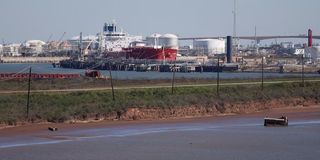
Currently, the U.S. only controls proceeds from oil sales, but those revenues remain Venezuela’s main source of income. State-run oil company PDVSA documents show that, over the past five years, oil shipments to China helped service interest payments under a temporary 2019 agreement.
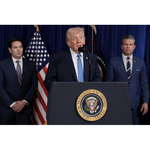
The Trump administration has redirected these proceeds to a Qatar-based account controlled by Washington, giving the U.S. potential leverage over which creditors are paid and when. The U.S. says China can still buy Venezuelan oil, but not at the discounted rates Caracas previously offered.
China has condemned the redirection of Venezuela’s oil, insisting that the “legitimate rights and interests” of China and other countries in Venezuela be respected. A White House spokeswoman said the deal would benefit both the American and Venezuelan people.
Debt specialists warn that U.S. control over oil revenues could disrupt the normal hierarchy of creditors, complicating any debt restructuring. Venezuela needs an agreement with creditors to resume borrowing and attract investment after its bonds defaulted in 2017.
“If the U.S. pushes China to accept major write-downs and Beijing resists, restructuring could be delayed and Venezuela’s economic recovery further jeopardized,” said Jean-Charles Sambor, head of emerging market debt at TT International.
China, the world’s largest bilateral lender to developing nations, could respond by withholding cooperation in future international debt restructuring programs until it feels fairly treated in Venezuela. Experts say such a move would have significant global implications.