Dar es Salaam. Weddings are traditionally joyous occasions, celebrated with family and friends, but for Ms Zainab Kombo, however, joy came not from a wedding but from a divorce.
She celebrated after her former marriage ended, a move that has divided public opinion.
The event has provoked mixed reactions among moralists, sociologists, religious leaders, and government officials.
Some commend her courage, while others warn that such acts threaten societal values.
While supporters say Ms Kombo’s celebration symbolises liberation from pain, abuse, and oppression endured during her marriage, critics, however, argue that publicly celebrating divorce sets a dangerous precedent for younger generations, encouraging impatience in resolving marital conflicts and undermining the institution of marriage.
Religious leaders contend that such celebrations fail to model positive social behaviour, eroding respect for marriage.
The government, balancing these views, has called for a comprehensive study to understand why such celebrations occur, their prevalence, objectives, consequences, and the communities affected.
Dubbed the “Night of Divorce,” the celebration took place on Sunday, January 4, 2026, and was attended by Ms Kombo’s relatives, friends, and neighbours.
Ms Kombo told local media she wanted to mark her divorce once it was officially granted, but did not elaborate on the challenges she faced during her marriage.
On Tuesday, January 6, 2026, Ms Kombo’s sister, Aisha Othman, told Mwananchi, The Citizen’s sister newspaper, that her younger sister had been married twice before her third marriage, which recently ended in divorce.
“In her first marriage, she believed in her husband’s love, but circumstances later broke her heart. The second marriage followed the same pattern,” said Ms Othman.
“By the third, she saw no reason to keep crying. She chose to celebrate to inspire others facing similar hardships,” she added.
In that third marriage, Ms Kombo lived with her partner for three years and had twins, yet the relationship ended, prompting her decision to hold a divorce celebration. Ms Othman emphasised that her young sister wanted to show women leaving difficult marriages that they should not lose hope.
Sociologist, Dr Amina Mussa, observed that for some, divorce follows years of silent suffering.
“For a woman in an abusive or psychologically harmful marriage, divorce can mark the start of a new life. Celebrating it is a way of saying, ‘I have saved myself,’” she said.
She added that such celebrations reinforce self-respect, particularly for women long conditioned to endure adversity at the cost of their well-being.
“It signals that leaving a harmful marriage is not failure, but a protective choice,” she said.
Dr Mussa also warned that publicly celebrating divorce carries risks, especially for young people learning about marriage through societal examples.
“Divorce should be a last resort, not a cause for celebration. Celebrating it may undermine patience in resolving conflicts,” she said, noting that children witnessing such events might develop negative perceptions of family and marital responsibilities.
Tiki Tanzania Chairperson, Ms Florentine Senya, echoed this concern, “Celebrating divorce may lead the unmarried to see marriage as meaningless. It diminishes the value of the family, which is central to society.”
She added that such celebrations could reduce the desire to marry, increase separations, and deprive children of parental guidance, ultimately eroding moral values.
“If divorce becomes a cause for celebration, young people may prefer casual partnerships over committed marriage,” she warned.
Ms Senya explained that celebrations often arise when unprepared marriages encounter unforeseen difficulties, noting that couples who successfully exit harmful unions may view divorce as a personal victory, prompting festivities.
According to her, many young people enter marriage after multiple informal unions, such as cohabitation, and lack understanding of formal marriage procedures, which require mutual respect, consultation, and support.
“A culture of instant gratification further reduces tolerance for marital challenges,” she said.
A Kinondoni resident, Ms Rehema Shabani, added that some celebrations aim to recover financial contributions or gifts given to a former spouse, sometimes requiring guests to pay to participate in the festivities, including sharing the cake.
Dar es Salaam Regional Kadhi Sheikh Ramadhani Kitogo said public divorce celebrations are ethically inappropriate, “Islam permits divorce when necessary, but it should not be celebrated.”
Pastor Daniel Sendoro of the Evangelical Lutheran Church in Tanzania (ELCT) for the Eastern and Coastal Diocese added that while people may use such events to seek relief from emotional pain, they harm society by undermining the dignity of marriage.
“Celebrating a marriage’s end teaches poor values to children and youth,” he said.
Psychologist, Dr Peter Luhanga, cautioned that celebrations may mask pain without addressing emotional wounds.
“A person may appear joyful, but stress and unresolved anger can resurface. Divorce requires psychological support, not just a party,” he said.
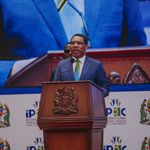
Minister for Community Development, Gender, Women, and Special Groups, Dr Dorothy Gwajima, described such events as unusual, stressing that marriage is inherently joyous, while divorce is a matter of sadness.
“Publicly celebrating a marriage breakdown can trigger negative consequences for individuals and society,” she said, urging experts in social welfare, psychology, religion, and family law to analyse such celebrations to determine their scale, purpose, effects, and impact.
“This will guide professional advice for public education. Without it, divorce celebrations could become common, despite their negative social consequences,” she said.
Register to begin your journey to our premium contentSubscribe for full access to premium content