Dar es Salaam. Bar owners in Kinondoni District have called on the Government to intervene in regulating the presence of sex workers, commonly known as “madada poa”, in entertainment venues, saying it is not the responsibility of bar operators to control their activities.
The operators proposed that, if necessary, the group should be formally recognised and issued with special licences to separate their activities from lawful bar and hospitality businesses.
They argued that expecting bar owners to prevent sex workers from accessing their premises is unfair, noting that bars operate on an open-service model where all customers are served without discrimination.
They further maintained that they will continue complying with the Licensing of Liquor Act of 1968 and noise control regulations, but insisted that the presence of sex workers remains a major challenge that has contributed to some establishments being associated with prostitution.
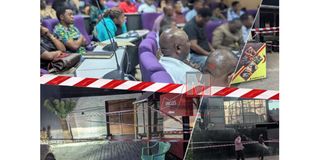
The concerns were raised on Friday, June 26, 2026, during a five-hour meeting held in Kinondoni Municipality involving bar, nightclub and entertainment hall operators alongside district officials, to review compliance with alcohol licensing laws and address operational challenges.
The meeting followed a crackdown on February 22 this year, which led to the closure of 13 bars accused of breaching the 1968 Liquor Licensing Act, including excessive noise and operating beyond licence conditions. Among the affected venues were Element, Big Joe, Velvet, Tips Coco Beach, Uncle’s, Tips Mikocheni, Polisi ya Mikocheni, Babiloni Kona (Bwawani Mwananyamala), Kwa Joyce, Serengeti Bar, Hotea Bar, Raphael Kajubuli (Makumbusho) and Baikas Lounge.
Speaking during the meeting, Kinondoni District Commissioner Saad Mtambule warned bar owners to ensure prostitution-related activities are curbed within their premises and that businesses strictly adhere to their licence conditions, adding that failure to comply would lead to continued enforcement operations.
However, Kwa Joyce Bar owner Joyce Cosmas said it is unrealistic to expect bar owners to forcibly remove sex workers, arguing that the responsibility should rest with the Government. She suggested that if the activity is acknowledged as existing in practice, it should instead be regulated and allocated designated areas under a formal system.
“The truth is they are everywhere in town. Even if you chase them from here, you will find them somewhere else. In the end, what really changes?” she said.
She added that sex work, though not formally recognised, is a known reality operating openly and discreetly through various channels, including mobile phone arrangements, with those visible in bars and nightclubs representing only part of a wider network.
According to her, the group could be treated as part of broader service providers within society and potentially brought under a licensing framework, despite acknowledging that the idea conflicts with Tanzanian moral and cultural standards.
Chairperson of the Tanzania Association of Bar and Entertainment Owners, Mponjoli Mwakabana, said operators are not mandated to select or discriminate against customers, stressing that enforcement of the law should remain the responsibility of authorities.
Kinondoni Municipality Business Officer Philipo Mwakibete said offenders risk fines ranging between Sh200,000 and Sh1 million or prosecution before the Business Court, though authorities prefer education and compliance support over punitive measures.
He urged operators to invest in noise control equipment and ensure proper supervision of DJs, warning that weekend entertainment must comply with approved noise regulations.
“We urge you to supervise your DJs. Do not leave them to decide music independently. That must be properly controlled,” he said.
He also advised entertainment venues to obtain permits for loud music events and clearly indicate approved locations for such activities.
On regulatory enforcement, Brela Licensing Officer Paulo Peter said the Business Registration and Licensing Agency enforces compliance under the Business Licensing Act, Cap. 101, with powers to inspect, suspend or revoke licences where businesses operate outside approved terms.
He warned that licences may be withdrawn where false information is used during registration or where activities pose risks to public safety, economic order or national security, including unlawful operations.
Mr Peter also urged bar and nightclub owners to register their business names and branding with BRELA to strengthen identity protection and improve access to financial opportunities.
Register to begin your journey to our premium contentSubscribe for full access to premium content