Dar es Salaam. Dar es Salaam residents are set to benefit from an ambitious health initiative, with the government targeting nearly 500 residents for free hydrocele screening and surgical treatment as part of a nationwide effort to eliminate neglected tropical diseases.
Launched on January 5, the month-long campaign has already made significant progress.
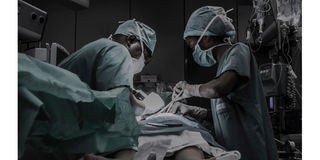
Hundreds of residents have been screened and 127 individuals have been diagnosed with hydrocele.
Of these, 27 patients have successfully undergone corrective surgery, with many more expected to receive treatment as the programme expands across the city.
Speaking to journalists yesterday, January 8, Kinondoni District Commissioner Saad Mtambule highlighted the campaign’s outreach strategy.
Medical camps have been set up at Kilakara Health Centre in Temeke Municipal Council and Kinondoni Health Centre in Kinondoni Municipal Council.
“I want to appeal to residents from all areas to come for screening and check if they have any health challenges so they can receive proper treatment from the specialist,” he said, urging citizens to come forward and access medical care.
He further emphasized the importance of early detection.
“Early detection saves lives and reduces long-term health and economic burdens on families. Residents diagnosed with hydrocele should not shy away from treatment; this condition is fully treatable and stigma must never stand in the way of recovery. Health is an investment every citizen must protect,” Mr Mtambule said
At the national level, National Lymphatic Filariasis Focal Person at the Ministry of Health Dr Gulinja Antony, noted Tanzania’s significant strides in combating neglected tropical diseases.
Since 2008, more than 12,660 hydrocele patients have received corrective surgery nationwide.
Dr Antony explained that the Dar es Salaam initiative runs alongside similar interventions in five other high-risk regions: Morogoro, Lindi, Coast Region, Mtwara and Mbeya.
“This campaign is about restoring dignity and productivity. Successful surgery allows patients to regain their health and fully re-engage in social and economic life,” he said.
On the other hand, National NTDs Coordinator at the Prime Minister’s Office – Regional Administration and Local Government (PMO-RALG), Dr Irene Haule, outlined the process for participants.
All patients undergo medical screening first and those diagnosed are scheduled for surgery.
“The government covers all associated costs, including hospital care, medication, meals, accommodation and post-operative follow-ups. Each patient will also receive three free check-ups to ensure full recovery,” she shared
Dar es Salaam Regional NTD Coordinator Alex Mkamba attributed the decline in hydrocele cases to growing public awareness.
In 2025 alone, 1,084 patients in the region underwent hydrocele surgery.
“The programme’s benefits go beyond health,” Mr Mkamba said. “Patients regain confidence, rebuild relationships and return to productive economic activities, contributing to their families and communities.”
Register to begin your journey to our premium contentSubscribe for full access to premium content