Fasting season to hit Dar es Salaam’s leisure, ‘sin industry’ and food vending businesses

Dar es Salaam. As the holy month of Ramadan begins today, coinciding with the Christian season of Lent for the first time in recent memory, businesses that depend on leisure spending are bracing for a difficult stretch.

For bar owners along the streets of Mwenge and Ubungo, guest house operators in Sinza and Kinondoni and food vendors in Buguruni and Magomeni, the mood has shifted almost overnight. Where music and laughter typically spill onto the pavements, a calmer atmosphere is expected to define the coming weeks.
A few days before the fast began, The Citizen observed unusually high activity in popular drinking spots in Mikocheni and Sinza. Some patrons openly joked that they were “finishing their sins” before turning to prayer and self-restraint. Guest houses reported full bookings, while bars operated late into the night.

But that surge was short-lived.

“From today, we expect sales to drop by more than half,” said a bar owner in Sinza, Mr Juma Ally. “When only Muslims were fasting, Christian customers still came. When it was Lent alone, some Muslims still came. Now both groups are stepping back at the same time.”

Tanzania has a good population of Christians and Muslims.

In urban centres such as Dar es Salaam, where nightlife and informal entertainment form a significant part of the local economy that overlap matters.

Mr Ally employs eight workers who include bartenders, security guards and cleaners. “If sales fall drastically, I will have to reduce shifts. It affects not just me but families depending on these wages,” he said.

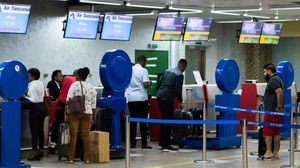
Guest houses, especially those offering short-stay services, are likely to feel an even sharper pinch. In areas such as Manzese, Tandale, Mwenge, Temeke, Tandika, Buza, Tabata and parts of Sinza, some lodge operators admit that their peak business often comes from daily, short-term clients.

“One month can determine whether we cover rent and utilities comfortably,” said a lodge manager in Sinza, who requested anonymity. “During Ramadan alone we see a slowdown. With Lent at the same time, it is going to be tough.”

Sex workers, many of whom operate discreetly around city hotspots such as Ubungo, Posta, Kariakoo and Oysterbay, are also expected to suffer income losses. A community organiser working with vulnerable women in Ilala said demand typically drops sharply during Ramadhan.

“Some clients disappear completely. Others say they are repenting or focusing on church activities,” she said. “For women who depend on daily earnings, even a two-week slowdown can mean failing to pay rent.”

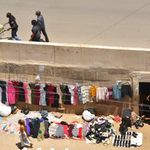
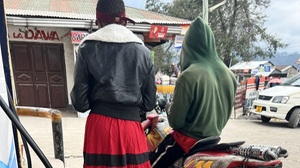
Street food vendors, popularly known as mama lishe, are adjusting their strategies. While lunchtime traffic may shrink as fasting customers abstain, evenings could present new opportunities.

“In Ramadhan we prepare iftar meals—pilau, dates and fresh juice,” said Ms Asha Mgeni, who runs a food stall at Ubungo Riverside. “Office workers who cannot reach home before sunset buy from us. So for us it is not all loss; it is about timing.”

However, vendors whose sales depend on alcohol pairings—nyama choma joints and grilled meat stands near bars—anticipate leaner days.

A butcher in Shekilango said orders from bar operators had already reduced. “They used to buy in bulk for weekends. This week they have cut orders by almost 40 percent,” he said.

Beyond direct sellers, the ripple effects extend to suppliers. Beverage distributors, music DJs, bouncers, taxi drivers who rely on late-night trips, and even mobile money agents near nightlife zones could see transactions fall.

A regular patron at a popular bar in Mikocheni, Mr Patrick Mhando, said he has chosen to stop drinking during both seasons.

“I am Catholic. Lent is a time for reflection. This year, because Ramadan is also starting, I feel it is a good moment to reset completely,” he said. “I will save that money and focus on my family.”

Such personal decisions, multiplied across thousands of customers, create a noticeable economic shift. According to industry estimates from beverage traders, alcohol sales in predominantly Muslim neighbourhoods can fall by up to 60 percent during Ramadan alone. With Lent overlapping, traders predict a broader citywide dip.

However, religious leaders say the economic slowdown should be viewed in context.

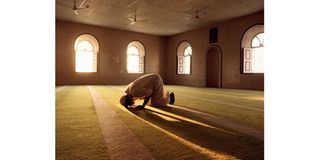
A cleric at a mosque in Ilala noted: “Ramadan is about discipline, charity and empathy for the less fortunate. Businesses may slow, but communities often increase charitable giving.”

Similarly, a priest in Ubungo, Mr Johnson Mkuti, said Lent encourages Christians to reduce excess spending and support those in need. “The money saved from luxuries can be redirected to helping others,” he said.

Indeed, some sectors may benefit. Supermarkets selling dates, juices and cooking oil often report higher evening sales, while transport services see increased movement at sunset as families rush home for iftar.