Long before she assumed zonal command, she was a student with a clear sense of purpose at Sokoine University of Agriculture in Morogoro, where she pursued both undergraduate and master’s degrees in forestry. At a time when few women chose the path of forest sciences, she saw not obstacles, but opportunity
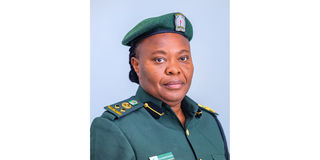
In 2024, a new leadership chapter began for the Southern Highlands Zone Commander and the Senior Assistant Commissioner for Conservation Getruda Nganyagwa in Tanzania’s conservation leadership when she was appointed by the Conservation Commissioner of the Tanzania Forest Services Agency (TFS), Prof Dos Santos Silayo.
Long before she assumed zonal command, she was a student with a clear sense of purpose at Sokoine University of Agriculture in Morogoro, where she pursued both undergraduate and master’s degrees in forestry. At a time when few women chose the path of forest sciences, she saw not obstacles, but opportunity.
“My professional journey began under the Ministry of Natural Resources and Tourism in the Forestry and Beekeeping Division as a Forest Officer. Over 18 years, I have served in Lushoto District, at Magamba Nature Forest Reserve, in the Northern Zone and now in the Southern Highlands Zone, accumulating not only experience but also trust,” she said.
She said, the forestry and beekeeping sector demands resilience, as it involves patrols in remote areas, boundary maintenance, community engagement and confronting illegal activities. It is physically demanding and operationally complex.
“As a woman leader in this environment, I faced both administrative and operational challenges. I refused to be defined by gender stereotypes and focused on competence. By issuing clear directives, following up on implementation and insisting on adherence to institutional guidelines, I reinforced a leadership style anchored in accountability and consistent courage,” she said.
Her presence in field operations, planning meetings and community forums has steadily dismantled the outdated perception that conservation enforcement and environmental protection are exclusively male domains.
Under her leadership, community engagement has remained a priority. Through TFS, budgets are allocated to support development projects in communities surrounding forest reserves, projects that benefit women as much as men.
She said short-term employment in tree nurseries and plantation activities has opened income opportunities for women. In areas with ecotourism potential women are increasingly participating as service providers and aspiring investors.
Explaining further on awareness raising, Nganyagwa said that through trade exhibitions, radio programmes and television outreach, the Southern Highlands Zone has amplified education on tree planting, beekeeping and ecotourism. Women are now more visible in honey and beeswax trade, vegetable farming supported by forest water sources and even tour guiding in ecologically significant sites.
Her years in Lushoto, Magamba and the Northern Zone shaped her philosophy that teamwork delivers results. She credits collaboration with colleagues, local government authorities and communities as the cornerstone of conservation success. Patrols, boundary clearing and anti illegal harvesting operations were not individual achievements, but collective commitments.
Beyond operational performance, Getruda places strong emphasis on staff welfare, especially for women under her command.
“My approach is practical ensuring clarity of roles, encouraging further education, safeguarding timely access to employment benefits and building confidence through professional mentoring,” she said.
She added that the forestry sector in Tanzania offers equal employment opportunities. Training institutions admit both men and women and policies promote gender balance, but representation in leadership remains crucial.
“Women leaders bring perspective, discipline and inclusive approaches to community engagement, elements essential in natural resource governance. As the theme of this year’s initiative declares Give to Gain Elevate Her Rise, my story reflects a truth often overlooked. When institutions invest in women’s leadership, communities gain environmental stewardship, economic opportunity and intergenerational inspiration,” she said.
After more than two decades in service, she hopes to be remembered for strengthening forest conservation, curbing illegal activities, expanding ecotourism and fostering community participation across the stations she has served.
In the vast landscapes of Tanzania’s Southern Highlands, leadership may not always be loud. Sometimes, it is steady footsteps in the forest, ensuring it stands for generations to come, she added.