Hope as Tanzania approves HIV prevention and treatment drug

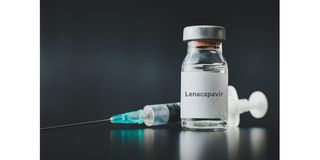
Dar es Salaam. Health practitioners in Tanzania are optimistic after the official registration of Lenacapavir, a long-acting injectable drug for HIV prevention and treatment, a move seen as a major step forward in the fight against the virus.

Chief Government Pharmacist, Mr Daud Msasi, announced on 24 February 2026 that the drug had been registered by the Tanzania Medicines and Medical Devices Authority (TMDA) and incorporated into national HIV treatment guidelines.
“We have adopted it and included it in our national guidelines. We are now engaging stakeholders to ensure reliable access for the targeted beneficiaries,” said Mr Msasi.

President of the Tanzania Medical Association (MAT), Dr Mugisha Nkoronko, described the drug as a revolutionary advancement in HIV treatment.

“These are the results of science, education and research that make a real difference in people’s lives. Registration is a crucial step. It is the starting point for those who need to begin accessing it,” he said, stressing the importance of equitable access so that all citizens can benefit.

CEO of National Council of People Living with HIV in Tanzania (NACOPHA), Dr Deogratius Rutatwa, said the injectable drug marks a significant scientific breakthrough, particularly for high-risk groups. Lenacapavir is administered twice yearly, unlike daily oral medications or injections every two months, and is expected to help people living with HIV adhere better to treatment.

“Daily regimens have been challenging for some due to forgetfulness, fatigue, or running out of medication, which reduces adherence and effectiveness. The injection minimises missed doses and ensures better compliance,” Dr Rutatwa said.

He said that priority groups include sex workers and partners of people living with HIV, but it will also benefit long-distance drivers, traders, and others at high risk of infection.

Previously, the high cost of the drug was a barrier, but efforts are underway to allow more companies to produce it at lower prices. The Global Fund has committed to purchasing two million doses for countries with high HIV prevalence.

Dr Rutatwa also highlighted that the injectable drug could reduce stigma, particularly for women and girls who previously had to take medication in secret.

NACOPHA is encouraging the government to allow wider access, including through private pharmacies and hospitals under regulated systems. The government has already begun enabling some clients who previously received the drug at public centres to access it via pharmacies to reduce inconvenience.

Mr Msasi emphasised that Lenacapavir is not a vaccine but a long-acting antiretroviral administered subcutaneously. Once injected, it binds to cells, prevents the virus from replicating, and remains active in the body for over six months. “This is a unique medicine. A patient receives only two injections per year, which provide protection for more than six months,” he said.

The drug was registered in 2025 by the US Food and Drug Administration (FDA) and is included in World Health Organisation (WHO) treatment guidelines. Unlike conventional HIV medications requiring daily use, Lenacapavir offers a long-acting alternative that could improve adherence and reduce treatment fatigue.

It can be used both as pre-exposure prophylaxis (PrEP) for those at high risk of infection and as part of treatment regimens for people living with HIV.

The rollout in Tanzania and across Africa is coordinated with partners including the Global Fund, PEPFAR, UNAIDS and WHO.

Boost to national targetsExperts say long-acting drugs such as Lenacapavir could improve adherence, reduce stigma, and accelerate progress towards national and global goals to end AIDS by 2030.

The government has stressed that Lenacapavir complements, rather than replaces, existing preventive measures such as safe practices, testing, and early treatment.