KCMC introduces fast, steam-based prostate surgery in Tanzania


Moshi. The Kilimanjaro Christian Medical Centre (KCMC), in collaboration with specialist doctors from India, is set to introduce a modern surgical procedure for treating prostate conditions using steam-based technology.

Professionally known as Rezūm Water Vapor Therapy, the technology will be used in Tanzania for the first time.
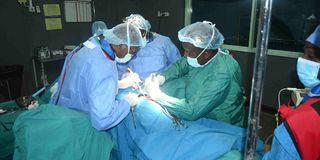
The procedure, which takes about 15 minutes to complete, represents a major improvement compared to the conventional method, which required roughly one hour.

The new approach is expected to bring relief to a larger number of patients suffering from prostate enlargement and to improve the overall quality of healthcare services in the country.

KCMC urologist Dr Frank Bright said on Sunday, January 18, 2025, that the hospital will conduct a six-day medical camp from January 26 to January 31, 2026, during which patients visiting the facility will have an opportunity to undergo the procedure.

He noted that patients can be discharged within a day after surgery, saying: “We are introducing what is known as Rezūm water vapor therapy, which is used to treat an enlarged prostate and takes a very short time.”

“Unlike the conventional procedure, which used to take one hour, this one takes about 15 to 20 minutes, after which the prostate condition is treated,” said Dr Bright.

He explained that the new method will enable the hospital to treat a significantly higher number of patients than before, adding that it has fewer side effects compared to traditional surgery.

“This method has fewer complications than the older one because it takes only about 15 minutes, and there is minimal bleeding since it uses steam,” said Dr Bright.

“Previously, in a year, we carried out surgeries on between 400 and 600 patients. But with this new method, the hospital will be able to attend to as many patients as possible,” he added.

Furthermore, he noted that instead of performing surgery on six to 10 patients per day, the hospital will now be able to treat up to 20 patients daily, as the new technology requires far less time than the old method.

The hospital’s Public Relations Officer, Mr Gabriel Chisseo, said that after observing that many patients were being referred to India for such treatment, the hospital decided to collaborate with Indian doctors to bring the service closer to home and reduce costs.

“We have been sending patients abroad for treatment, but this has been challenging, especially for Tanzanians who at times lack the financial capacity to meet the costs of overseas medical care,” said Mr Chisseo.

He added that the hospital has made substantial investments in infrastructure, as well as in recruiting and training highly skilled specialists, to address healthcare challenges facing citizens.

A representative of Tanlink Institute, a tourism agency, Mr Baraka Farles, said the organisation has been coordinating medical camps across the country as part of efforts to improve access to quality healthcare.

“We have been working with doctors from India to provide treatment to Tanzanians facing various health challenges, including spinal disorders, neurological conditions, brain-related illnesses, and urinary system problems,” he said, adding that the new treatment method was an important step towards improving healthcare services in the country.