Mwananchi journalist Herieth Makwetta wins Menstrual Health Award

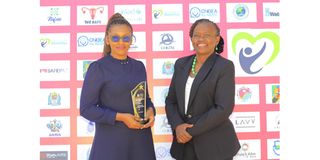
Dodoma.The Citizen sister newspaper, Mwananchi, has reported that a senior health journalist from Mwananchi Communications Limited (MCL), Herieth Makwetta, has emerged winner of the Menstrual Health Award 2026 in the newspaper category.

The awards were presented during a meeting of permanent secretaries and senior officials from various sectors involved in menstrual health services in the country.

Herieth was announced the winner and presented with the award on Friday, 12 June 2026, among eight recipients selected from different media houses across the country, including journalists from newspapers, radio, television, and online platforms.

Speaking prior to the presentation of the awards, Acting Permanent Secretary in the Ministry of Health, Dr Saitore Laizer, emphasised that menstruation is not an illness, but a normal biological process signifying a girl’s growth and maturity.

Opening the stakeholders’ meeting on menstrual health, Dr Laizer said the Government, in collaboration with development partners, has continued to implement strategies to ensure girls and women have access to friendly menstrual health services. These include the development of the first national menstrual health and hygiene guidelines, as well as teaching and learning materials.

Dr Laizer noted that the guidelines place strong emphasis on improving girl- and women-friendly infrastructure, including adequate sanitation facilities, changing rooms for sanitary products, access to clean and safe water, and proper waste management systems for menstrual waste.

Senior health journalist from Mwananchi Communications Limited (MCL), Herieth Makwetta

He further highlighted the importance of producing and distributing quality menstrual products, alongside sustained public education to eliminate harmful cultural practices and stigma surrounding menstruation.

For her part, Behaviour Change and Communication Specialist from UNICEF, Reginaldah Mpete, commended the Government through the Ministry of Health for its continued coordination of menstrual health interventions in the country.

She said collaboration between the ministry, development partners, civil society organisations, and the private sector has contributed significantly to progress made, including the development of the national menstrual health and hygiene guidelines and strengthened coordination among stakeholders.

Mpete added that development partners have played a key role in the journey towards improving menstrual health, from funding the first national study that revealed the current situation, to supporting training of trainers on the guidelines and their dissemination across various regions.

Makwetta, who was named winner in the newspaper category, said she received the recognition with great joy and humility, noting that it was an honour to be acknowledged for her work in informing the public on menstrual health, an issue she described as central to the health, education, and well-being of girls and women in the country.

“I receive this award with great joy and deep humility, as it is an honour for me to be recognised for my work in informing the public about menstrual health, an issue that plays a significant role in the health, education and welfare of girls and women in the country,” she said.

She further said the award was a result of strong collaboration between editors, news sources, health stakeholders, and readers who have continued to trust and value her work.

Makwetta stressed that there is still a great need to continue educating the public on menstrual health, combat stigma, and ensure that every girl and woman has access to accurate information and appropriate services.

“I believe there is still a great need to continue providing education on safe menstrual health, to fight stigma, and to ensure that every girl and woman receives accurate information as well as appropriate services. I will continue to use my pen to highlight challenges, successes, and opportunities in this important area of public health,” she said.

According to the 2026 Menstrual Health Awards evaluation report issued by the Tanzania Menstrual Health and Hygiene Coalition (TMHHC), entries were submitted by journalists from four media categories: radio, television, newspapers, and blogs.

The report states that entries were assessed based on several criteria, including the relevance of the topic in promoting menstrual health and hygiene, alignment with the coalition’s four pillars, reach to a wide audience, and the use of data, expert opinions, and citizen voices.

Menstrual Health Awards Coordinator, Oliver Kavishe, said the awards aim to encourage journalists and influential voices in society to report more deeply on menstrual health issues in order to raise public awareness and challenge cultural taboos.

“These awards have become an important catalyst for the media to continue sparking dialogue and providing education on menstrual health, which plays a vital role in improving the lives of girls and women,” he said.

The panel of judges was chaired by the Ministry of Health representative, Rabia Ismail, and included members from the Tanzania Sanitation and Hygiene Consortium (TASACI), WaterAid, Msichana Initiative, and the TMHHC secretariat.

In their assessment, the judges noted that the overall level of reporting on menstrual health issues in the country remains low, particularly on social media platforms, calling for greater efforts to build journalists’ capacity and encourage broader coverage of the subject.