Arusha. Tanzania has officially launched the National Social Protection Policy 2023, extending social security coverage to self-employed citizens and workers in the informal sector, who have long been excluded from formal safety nets.
The policy, unveiled alongside the National Informal Sector Scheme (NISS), aims to strengthen income security and ensure inclusive social protection for all Tanzanians.

The scheme is designed to shield informal sector workers from socio-economic risks such as illness, disability, loss of income, and old age—a first of its kind for this segment of the workforce.
The launch was officiated by the Minister of State in the Prime Minister’s Office (Labour, Employment and Industrial Relations), Deus Clement Sangu, during a two-day National Social Protection Stakeholders Conference held from February 9–10 in Arusha.
The conference brought together more than 1,200 policymakers, experts, and social welfare stakeholders from across the country.
Speaking at the event, Mr Sangu said the policy provides a clear roadmap for coordinated and sustainable social protection interventions, aligned with Tanzania’s National Development Vision 2050, which prioritises improved quality of life and shared prosperity.
“The policy ensures social protection services reach every Tanzanian, including the self-employed and informal sector workers,” he said, noting that it addresses long-standing gaps in coverage.
The introduction of the Self-Employed Social Security Scheme under the National Social Security Fund (NSSF) is a strategic reform aimed at protecting citizens against old age, illness, disability, and income loss.
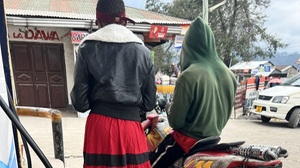
Beneficiaries are expected to include farmers, pastoralists, fishermen, small-scale miners, food vendors and operators of motor-bike and tricycle taxis, popularly known as boda boda and bajaji service providers.
“This scheme is a game-changer for informal sector workers who have historically had no formal protection. For the first time, they can now save for retirement, access health-related benefits, and have security in the event of disability or loss of income,” said Mr Sangu.
The government targets enrolling more than 5.53 million members by June 2031, a significant increase from the 509,000 informal sector members registered by December 2025.
Mr Sangu said the policy builds on ongoing reforms in the social security sector that have strengthened performance, equity, and service delivery. Since reforms began in 2018, NSSF membership has grown from 808,935 in 2020 to 2,213,659 by December 2025, while the Public Service Social Security Fund (PSSSF) expanded from 697,677 to 889,948 members over the same period.
He said that the combined assets of all social security funds increased from Sh10.43 trillion in June 2020 to Sh24.20 trillion by December 2025, enhancing financial sustainability and the capacity to deliver timely benefits. Reforms have also reduced benefit processing timelines to within 30 days and improved pension payments, supported by modern ICT systems that allow digital registration and claims submission.
On protecting vulnerable groups, Mr Sangu said the government will continue to strengthen the Productive Social Safety Net (PSSN) implemented by the Tanzania Social Action Fund (Tasaf).
The programme has already reached more than 1.37 million households, with over Sh1.55 trillion disbursed in cash transfers to improve livelihoods and household resilience.
Permanent Secretary in the Prime Minister’s Office (Labour, Youth, Employment and Persons with Disabilities), Mary Maganga, said the new policy and scheme demonstrate the Sixth Phase Government’s commitment to building an inclusive, resilient, and sustainable social protection system.
“Our Vision 2050 is clear: no citizen should be left unprotected against socio-economic shocks. This policy deliberately recognises the self-employed and informal sector workers as a central part of the national economy,” she said.
Meanwhile, the Director General of the Workers Compensation Fund (WCF), Dr John Mduma, said the conference, organised in collaboration with NSSF, PSSSF, and WCF, was held under the theme “Social Protection for All, Foundation for Development.”
It aimed to forge coordinated strategies to strengthen social protection systems and ensure every Tanzanian is safeguarded against economic and social risks.
Register to begin your journey to our premium contentSubscribe for full access to premium content