Josephine Christopher is a senior business journalist for The Citizen and Mwananchi newspapers
Mwananchi Communications Limitted
Dar es Salaam. Tanzania has opened its carbon trading sector wider to citizens, companies and institutions.
Officials say 99 projects have already been registered in a fast-growing market increasingly viewed as a new source of environmental and economic value.

The development reflects a new phase in the country’s participation in global carbon markets, where emissions reductions can be converted into tradable credits.
According to the director of measurement, verification, registration and assessment of greenhouse gases at the National Carbon Monitoring Centre (NCMC), Deo Shirima, carbon trading is designed to incentivise activities that reduce, avoid or remove greenhouse gas emissions while promoting sustainable environmental practices across economic sectors.
Speaking during a journalists’ capacity-building workshop over the weekend, Shirima said several companies have already completed registration while others are at various stages of finalisation, reflecting growing interest as Tanzania positions itself within global carbon markets.
He cited Tanganyika District as one of the early examples where carbon-related initiatives are already generating tangible benefits.
“In 2024, Tanganyika received about Sh14 billion from forest conservation efforts, a lesson for other communities to engage in environmental protection initiatives,” he said.
Shirima said carbon trading operates through two main systems: formal and informal markets.
Formal markets involve regulated transactions where credits are verified and traded under established frameworks, often linked to international compliance requirements.
Informal markets, on the other hand, include voluntary arrangements where buyers such as airlines or private individuals offset their emissions by funding climate-friendly projects.
A traveller on a flight can choose to add a small fee to their ticket to offset emissions and support climate action, he explained.
He added that buyers in the carbon market include countries and organisations seeking to meet emissions reduction targets under global climate agreements.
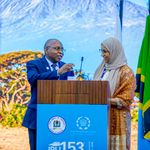
Speaking at the same event, Deputy Minister in the Vice President’s Office (Union and Environment), Reuben Kwagilwa, said the government is committed to ensuring environmental protection is integrated into all economic activities.
He stressed that Tanzania will not tolerate environmental destruction, adding that development projects must comply with environmental standards.
We will not hesitate to take action against anyone destroying the environment, he said.
At the same time, he urged Tanzanians to view environmental conservation not only as a responsibility but also as a source of income through carbon trading.
Mr Kwagilwa added that once journalists understand the sector, public awareness is expected to improve, enabling more citizens to take advantage of carbon market opportunities.
NCMC Chief Executive Officer Kathryn Kigaraba said the centre will continue coordinating carbon trading activities to ensure Tanzania becomes an active player in international carbon markets.
With 99 projects already registered and early financial gains emerging in some districts, Tanzania is positioning carbon trading as both an environmental tool and a development financing mechanism.
Officials say continued capacity building, regulatory strengthening and community engagement will be critical to ensuring the credibility and long-term sustainability of Tanzania’s carbon market.
They emphasise transparency in project verification and equitable benefit sharing for local communities.
The government also aims to expand awareness campaigns so that more stakeholders, including smallholder farmers and local governments, can participate effectively in emerging carbon finance opportunities to strengthen inclusive green growth across the country over time.
Register to begin your journey to our premium contentSubscribe for full access to premium content