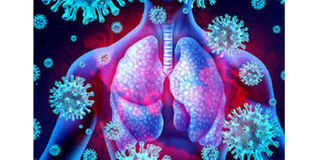
Dodoma. Tanzania has issued a public health alert following a rise in severe influenza and Covid-19 cases, while urging continued vigilance against dengue fever and cholera.
In a statement released on Wednesday, 25 February 2026, the Chief Medical Officer, Dr Grace Magembe, said the Ministry of Health had observed an increase in patients presenting with severe influenza and Covid-19.
Both illnesses are transmitted via respiratory droplets released when an infected person coughs, sneezes or speaks. Common symptoms include high fever, persistent cough, headaches, body aches, nasal congestion, sore throat and fatigue.
The Ministry noted that between November and April each year, Tanzania and other countries typically experience a seasonal surge in influenza and Covid-19 cases.
Members of the public have been advised to follow preventive measures, including covering the mouth and nose when coughing or sneezing, washing hands with soap and running water, using hand sanitiser, and wearing face masks when experiencing symptoms or in crowded places.
Citizens are also cautioned against self-medication, particularly the use of antibiotics without professional advice, and urged to seek prompt treatment at recognised health facilities.
The Ministry further warned of an increased risk of dengue fever due to ongoing heavy rains, which create breeding grounds for mosquitoes.
Dengue is transmitted by the Aedes mosquito, which typically bites in the morning, afternoon and early evening.
Symptoms include high fever, severe headaches, joint and muscle pain, pain behind the eyes, and extreme fatigue. The disease can present with symptoms similar to malaria.
The public is encouraged to eliminate stagnant water around homes, properly dispose of containers and tyres, wear protective clothing, use mosquito repellents, and install window screens. Anyone showing symptoms should seek immediate medical care.
Regarding cholera, Dr Magembe said Tanzania had experienced an outbreak affecting all regions except Kilimanjaro and Njombe, although no new cases have been recorded in the past month.
She commended the role of government sectors, religious institutions, community leaders, the media, private sector partners and health professionals under the supervision of the World Health Organization in containing the outbreak.
Despite progress, the Ministry warned that the rainy season could trigger a resurgence. The public is urged to boil or chemically treat drinking water, wash hands thoroughly, wash fruits with clean water, maintain proper sanitation, and prevent contamination of water sources.
The Government said it will continue monitoring all epidemic-prone diseases and provide regular updates if the situation changes or further measures become necessary.
Register to begin your journey to our premium contentSubscribe for full access to premium content