The Citizen Rising Woman: Time to move from hustle to formalisation

What you need to know:

  • The call dominated the online build-up session to The Citizen Rising Woman 2026, held under the theme: Women in Wealth Creation: From Saving to Investing & Business Growth

Dar es Salaam. Financial experts and industry leaders have urged Tanzanian women to move beyond traditional saving and embrace formal systems of investment, banking and social security to secure their economic future.

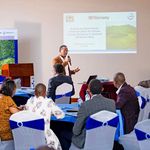
The call dominated the online build-up session to The Citizen Rising Woman 2026, convening capital market professionals, bankers, and social security leaders under the theme: Women in Wealth Creation: From Saving to Investing & Business Growth.

A securities trader at Vertex International Securities Limited, Ms Stella Riwa, delivered a pointed challenge. She stressed that saving alone is insufficient for wealth creation. “Wealth creation is not an event; it is a long-term journey that requires discipline,” Ms Riwa said.

She urged women to begin investing early to harness the power of compounding. Her guidance was practical.

Before investing in any company or financial instrument, women must understand what they are buying. This entails analysing a company’s performance, evaluating risks, and consulting licensed professionals.

Selecting the right intermediary, she emphasised, is fundamental. Investors should ensure their broker is properly registered and regulated. “Share prices rise and fall,” she noted, underscoring that investing is not gambling but a deliberate strategy requiring patience and emotional control.

Ms Riwa also urged women to ask critical questions before committing funds: How will returns be paid, through dividends or capital gains? Over what period? “And, most importantly, never invest money that is not fully understood,” she cautioned.

Reinforcing this perspective, Chief Internal Auditor at the Dar es Salaam Stock Exchange (DSE), Mr Mecklaud Edson, framed the conversation around ownership.

“Saving keeps money safe. Investing turns saving into ownership,” he said.

Through the stock market, women can move from passive savers to shareholders, becoming part-owners of companies that drive Tanzania’s economy. As these companies grow, so too does the wealth of their investors.

Mr Edson highlighted several investment avenues available on the DSE, including government bonds offering predictable returns over defined periods, corporate bonds providing steady income, and Exchange Traded Funds (ETFs) that enable diversification through a single instrument. He cited the Vertex ETF and products offered by I-Trust as accessible tools for women seeking diversified exposure.

He also pointed to a broader symbolic shift in corporate leadership. NMB Bank Plc, Tanzania’s most profitable bank, is led by a woman, illustrating that women are not merely participants in markets but leaders shaping them.

“Women, you can come with your Kikoba or Saccos and invest in the DSE,” he encouraged, promoting collective investment models as pathways into formal capital markets. Increased female participation, he said, has the potential to generate income and reduce inequality.

The discussion then turned to financial structure and credibility, led by Head of Product and Channel at Absa Bank Tanzania Limited, Ms Jane Kalumuna.

She emphasised that every woman entrepreneur needs a formal bank account. Without one, accessing credit is challenging, as most financial institutions require documented records before granting loans.

Maintaining a dedicated business account creates a clear financial trail, allowing entrepreneurs to track performance and demonstrate creditworthiness. Such documentation transforms informal hustle into a bankable enterprise.

Ms Kalumuna highlighted Absa Tanzania’s SHE Business Account, tailored specifically to empower women in the micro, small, and medium enterprise (MSME) sector. She described structured banking relationships as essential for data-driven decision-making and sustainable scaling.

Beyond investment and banking, the session addressed the crucial yet often overlooked pillar of wealth protection: social security.

Informal Sector Management Manager at the National Social Security Fund (NSSF), Ms Rehema Chuma,  urged women, particularly those in the informal economy, to enrol and contribute to NSSF. Many women entrepreneurs and traders operate without structured retirement protection, leaving them vulnerable to financial shocks.

Through NSSF, contributors are shielded from life’s uncertainties, including illness, disability, and income disruption. Rather than relying on emergency borrowing or family support, structured social protection offers stability during crises.

“Retirement is not theoretical. There comes a time when energy declines and work is no longer possible. Consistent contributions today translate into income tomorrow,” she said.

For mothers, maternity protection provides an additional layer of security, ensuring income continuity during a critical life stage.

Taken together, the speakers outlined a comprehensive financial ecosystem: invest to grow wealth, formalise business operations through banking to scale, and secure the future through social protection.

The session’s message was clear: wealth creation is not the preserve of boardrooms or inherited privilege. Structured systems already exist in Tanzania, offering women practical, accessible pathways to financial empowerment.