Dar es Salaam. Tanzania has made notable progress in reducing deaths among mothers and children over the past decade, yet behind these gains lies a stubborn and dangerous gap: a severe shortage of paediatric and child health specialists.
As the country intensifies efforts to save more newborns and children under five, the lack of trained experts is emerging as one of the most serious threats to sustaining and accelerating progress.

It is this gap that the Aga Khan University (AKU) is now helping to address, following the graduation of the institution’s first locally trained cohort of specialists in Paediatrics and Child Health under its Postgraduate Medical Education programme.
Reports indicate that Tanzania records more than 2.3 million births annually, yet has only about 350 paediatric specialists nationwide, making this milestone especially significant for child healthcare in the country.
As such, child health remains one of Tanzania’s most pressing development challenges. According to national and global health reports, neonatal deaths—those occurring within the first 28 days of life—account for a substantial share of under-five mortality.
While maternal mortality has fallen sharply in recent years, deaths among newborns and young children are declining more slowly, signalling deeper systemic problems in healthcare delivery, skills availability and specialist coverage.
Data from the World Health Organization (WHO) consistently show that Tanzania remains far below recommended levels of paediatric specialists. WHO guidance suggests that one paediatrician should care for no more than 50 children with complex needs. In Tanzania, however, the reality is stark: in many regions, one paediatrician serves more than 10,000 children. “This gap explains why preventable deaths still occur,” said the Dean of the AKU Medical College in Tanzania, Prof Pascal Rugajo. “As a country, we have made strong progress in reducing maternal deaths. Now the national focus is rightly shifting to child survival, especially among newborns under 28 days. To achieve this, we must have trained specialists who can manage complex childhood illnesses and complications.”
Speaking during the 2026 AKU Convocation in Dar es Salaam on February 10, Prof Rugajo said the graduation of the first cohort of paediatric specialists marked a critical step in strengthening Tanzania’s health workforce.
“By producing these specialists, AKU is contributing directly to the national fight against child deaths. We are adding skilled professionals to the frontline,” he said.
The graduation comes at a time when the government is intensifying investments in the health sector. Expanded health infrastructure, better-equipped facilities and increased recruitment of health workers have contributed to sharp improvements in maternal outcomes.
These efforts were internationally recognised last year when President Samia Suluhu Hassan received the Goalkeepers Award from the Bill & Melinda Gates Foundation for leadership in reducing maternal and child mortality.
Under President Hassan’s leadership, maternal deaths reportedly declined from about 556 per 100,000 live births to around 104 per 100,000 live births, a transformation health experts describe as historic. However, specialists caution that achieving similar success in child health will be difficult without targeted investment in specialised paediatricians.
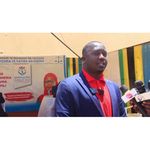
One of the newly graduated Masters specialists in Paediatrics and Child Health from AKU, Dr Elisamia Ngowi, said the shortage of experts remains deeply concerning. “We are far behind in the number of paediatricians. The ratio we have now is not sustainable. One specialist cannot adequately serve thousands of children,” he said.
He added that specialised training equips doctors to identify critical problems quickly, even in resource-limited settings.
“With the skills we have gained, we can detect key issues early and manage cases more effectively. We will also train and mentor other doctors, helping to build capacity as the country works to increase the number of specialists,” Dr Ngowi said. Health experts argue that colleges and universities must do more to motivate young doctors to specialise in paediatrics, a field often seen as demanding but less financially attractive than others.
Incentives, scholarships, clearer career pathways and improved working conditions are frequently cited as essential measures to attract more trainees into the discipline. “We would like to see more health training institutions expand and actively promote paediatrics programmes,” Dr Ngowi said. “If more students are attracted into this field, we can start closing this dangerous gap.”
AKU leaders say the university’s role goes beyond boosting training numbers. Speaking at the convocation, AKU President Dr Sulaiman Shahabuddin said the institution remains committed to improving quality of life through education, research and service.
“AKU launched 18 new degree programmes in the past five years, including several in East Africa, and the paediatrics programme was designed specifically to respond to national workforce needs,” he said.
Register to begin your journey to our premium contentSubscribe for full access to premium content