Collaborative financing will define the next era of mining growth

Mining pic

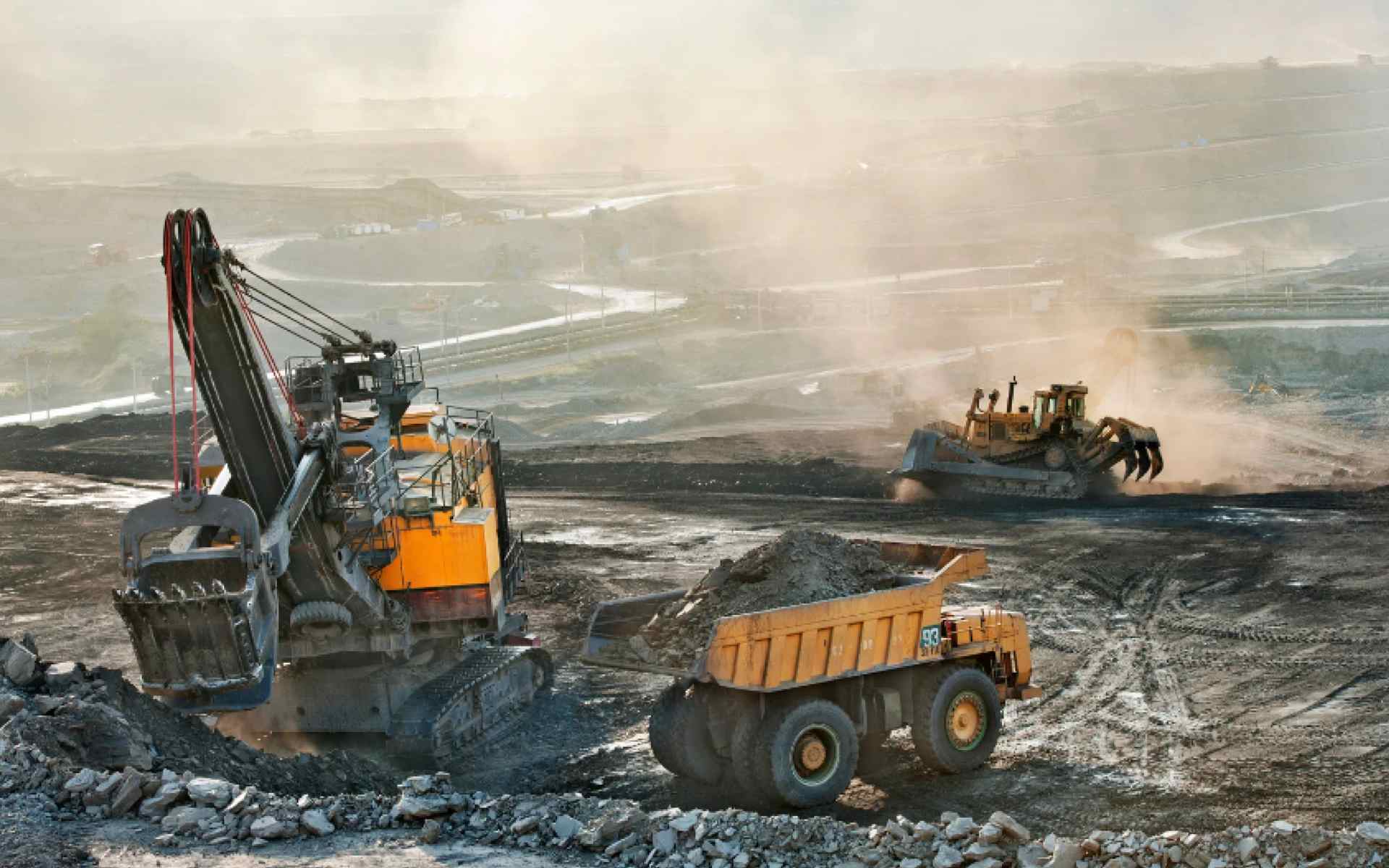
The next era of mining in Africa will not be defined by who makes the boldest claims. It will be defined by who builds the strongest partnerships and who is prepared to finance growth that lasts. PHOTO | FILE

By Elias Ngunangwa

Last week’s Mining Indaba confirmed that Africa’s mining sector is entering a more disciplined phase of growth. The conversation has shifted from expansion to execution.

Investors, operators and financiers are no longer asking where the next mineral deposit will be found. The real question is whether the systems that support mining are strong enough to sustain long-term growth.

Across the continent, mining is entering a more demanding phase. Projects are larger, more capital intensive, and more exposed to infrastructure gaps, energy constraints, and environmental and social expectations. In this environment, success is no longer determined by geology alone. It is determined by readiness. Readiness of infrastructure. Readiness of financing structures. Readiness of partnerships.

This shift matters deeply for Tanzania. Mining is now one of the fastest growing sectors in the economy, contributing about 10 percent of GDP, up from just 4 percent in 2007. It is the country’s second largest source of foreign exchange after tourism, responsible for more than half of export earnings. Gold remains the anchor commodity, with leading producers collectively delivering over 335,000 ounces by the third quarter of 2025.

These figures underscore both opportunity and responsibility. Tanzania continues to attract strong investor interest, supported by resilient gold demand and a growing pipeline of projects. At the same time, expectations around local value creation, infrastructure readiness, and sustainability are rising. Meeting these expectations requires financing models that extend beyond extraction and support the broader ecosystem in which mining operates.

Mining growth is therefore increasingly shifting away from isolated projects and toward collaboration across the value chain. Competitive advantage now lies in how well miners, financiers, infrastructure providers, and energy players work together to deliver integrated outcomes.

The change is already visible in investment decision making. Investors are looking beyond orebody size and headline production targets. They are interrogating logistics routes, power availability, processing capacity, and the ability of projects to meet environmental and social requirements over time. Capital is flowing more selectively toward projects that demonstrate cohesion across these elements, rather than ambition in one area alone.

Infrastructure sits at the centre of this ecosystem. Rail, ports, roads, and power are not supporting actors in mining. They are decisive. Persistent gaps in logistics and energy supply continue to increase costs and constrain efficiency across many African jurisdictions. In Tanzania, continued investment in transport corridors, roads, and power connectivity is already reducing operational inefficiencies for miners and their logistics partners.

Energy reliability is equally critical. The increasing connection of mining operations to the national electricity grid is reducing dependence on costly diesel generation, improving operational continuity and lowering production costs. These shifts directly influence project bankability and long term viability.

Energy transition is further reshaping the mining finance landscape. As global markets move toward lower carbon pathways, miners are under growing pressure to demonstrate how production growth aligns with emissions reduction and responsible resource use. Financing is increasingly linked to credible energy strategies, traceability, and measurable environmental and social outcomes. Projects that cannot articulate this alignment will find access to capital narrowing.

At the same time, Tanzania is deliberately positioning itself beyond gold. In recent years, new investment has flowed into the exploration and development of graphite and nickel, both critical minerals for the global energy transition. Strategic licensing and policy support are accelerating this shift, reinforcing the country’s relevance to future facing supply chains such as battery manufacturing and clean energy technologies.

In this context, the role of financial institutions is evolving. Banks are no longer simply providers of capital. They are partners in structuring solutions that connect miners to infrastructure developers, energy providers, processors, and offtakers. This requires deep sector understanding, disciplined risk management, and the ability to mobilise capital at scale while maintaining accountability.

Partnerships are therefore no longer optional. They are foundational. The most resilient mining projects are those built on aligned interests, clear governance, and financing structures that recognise the interdependence of assets and outcomes. Where capital, infrastructure, and execution move together, projects are better positioned to deliver value for investors, host economies, and communities over the long term.

As discussions at Mining Indaba reinforced this week, the conversation must move beyond announcements and ambition. The focus must remain on execution. On the hard questions of readiness and delivery. On whether mining growth is being built on systems that can endure.

The next era of mining in Africa will not be defined by who makes the boldest claims. It will be defined by who builds the strongest partnerships and who is prepared to finance growth that lasts.

Elias Ngunangwa is Head of Client Coverage, Corporate and Investment at Stanbic Bank Tanzania