MCL
|
MwanaClick
Home
Editorials
Our Columnists
Guest Columns
Cartoon
More
•••
Sign in
My Account
Personal details
Change password
Purchases
Sign out
Search
Home
News
National
international
Sports
Football
Basketball
Athletics
Swimming
Business
Finance
Enterprise
Boss Talk
OpEd
Editorials
Our Columnists
Guest Columns
Cartoon
Puzzles
Zanzibar
Tourism
Blue Economy
Real Estate
Tech Page
Magazines
The Beat
Smart World
Political Reforms
Market Data
Jobs
Notices
Tenders
Notices
Tenders
Services
MCL
MwanaClick
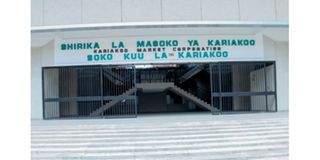
Dar es Salaam authorities must get Kariakoo right this time
Thursday, February 19, 2026
- 2 min read
By
The Citizen Reporter
Media/news company
Mwananchi Communications Limited
Also Read
Why the informal economy is essential to East Africa’s economy
A seed company that produces 50 percent of ‘ITS’ requirements
Latest
Yanga, Simba share scoring burden as fierce derby looms
Joel Lwaga’s Diamond collaboration sparks gospel debate
Kenyans shine at CEOs Luxury Retreat golf tournament
El Niño continues to strengthen, set to peak in Tanzania in November and December
Finland lessons reshape Tanzania’s startup and digital innovation agenda
Ndejembi to lead public entities forum on government investment
In the headlines
View All
El Niño continues to strengthen, set to peak in Tanzania in November and December
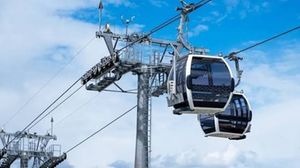
Tanzania moves closer to cable transport services
Foreign visitors entering Tanzania must have $44 travel insurance from October
National exams brought forward over El Niño threat