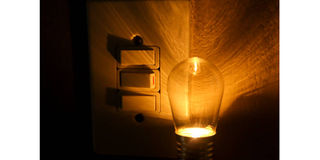
Zanzibar’s persistent power outages have become an enduring symbol of institutional strain, infrastructural neglect, and deferred reform.
Recent official explanations have once again traced the disrup tions to rising demand, overloaded transformers, and ageing distribution networks, compounded by a surge in investment and population growth.
These acknowledgements are welcome. Yet they also underline a deeper truth. The time has come to end these power woes once and for all. Electricity is no longer a luxury. It is the backbone of economic productivity, social wellbeing, and public safety.
Frequent outages erode business confidence, destroy perishable goods, and undermine livelihoods. Small traders, fishermen, and service providers bear the heaviest burden.
Households suffer discomfort, insecurity, and rising living costs. In such conditions, development becomes fragile, and social trust weakens.
The government has outlined plans to import additional power from the national grid, upgrade infrastructure, and expand substations.
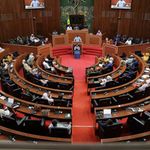
Parliamentary debates have further confirmed the urgency of these measures and the scale of investment required to stabilise supply across Unguja and Pemba. These commitments must now translate into accelerated action, disciplined execution, and strict accountability.
What Zanzibar requires is a comprehensive, long-term strategy anchored in three pillars. First, rapid modernisation of transmission and distribution networks to eliminate bottlenecks.
Second, diversification of energy sources to reduce reliance on a single supply corridor. Third, strengthened institutional capacity within the Zanzibar Electricity Corporation to ensure maintenance, planning, and customer communication meet modern standards.
Equally vital is transparent communication. Planned outages, technical upgrades, and emergency repairs must be clearly communicated to the public.
Predictability reduces losses and restores trust. Silence and uncertainty deepen frustration. Financing mechanisms should also be broadened.