Ramadhan is here: Will we merely fast, or truly change?

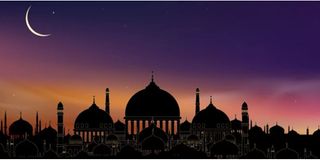
As we stand on the threshold of Ramadhan, with only a few days remaining before the crescent moon graces our skies, a familiar anticipation settles in the hearts of millions of Muslims across Tanzania and the world.

For many, this sacred month follows a predictable rhythm: prayer, charity, communal meals and the daily discipline of abstaining from dawn to sunset. Yet perhaps this year demands more than routine. It asks a deeper question: will we simply fast, or will we truly change?

Ramadhan is the ninth month of the Islamic lunar calendar, the period during which the Holy Qur’an was first revealed to Prophet Muhammad (peace be upon him) as guidance, mercy and illumination for humanity.

Fasting in Ramadhan is one of the Five Pillars of Islam, a compulsory act for every adult Muslim who is healthy and able. But its essence goes far beyond physical restraint from food and drink. At its core, fasting is a form of spiritual recalibration.

Too often, spirituality becomes compartmentalised. We pray, we give charity, we read the Qur’an, yet these practices can slip into habit. They become automatic, like clockwork, detached from the deeper meaning they are meant to cultivate. Ramadhan disrupts that monotony. It invites us to feel our faith more deeply, to practise it with intention rather than routine.

Fasting is designed to awaken empathy, especially for those who experience hunger not by choice, but by circumstance. In a country like Tanzania, where communities live under vastly different economic realities, this empathy is crucial. When a well-to-do professional fasts, the experience may be a temporary discomfort. But for someone living in poverty, hunger is not seasonal or symbolic. It is daily and persistent. Ramadhan reminds us that empathy must extend beyond reflection; it must lead to action.

While fasting is often spoken of as an individual obligation, Islam frames it within a broader moral vision: compassion, charity, integrity and kindness. We are encouraged to forgive, to abandon hurtful speech, to act with humility and to support our neighbours, family and strangers alike. In essence, Ramadhan is a month that calls us to repair ourselves so that we may repair the world around us.

Prophetic traditions tell us that during this holy time the gates of mercy are opened, the gates of Hell are closed and the devils are chained. Yet perhaps the greatest mercy of all is that Ramadhan offers a yearly opportunity to reset our moral compass. It reminds us of values that are both timeless and urgently needed today: mercy over malice, generosity over greed, patience over anger.

In the rush of modern life, many of us are consumed by deadlines, anxieties and pursuits that leave us distant from what truly matters. Ramadhan intervenes in that cycle. It slows us down. It calls us to carve out time for prayer, reflection, reading the Qur’an and strengthening the bonds of family and community. It reminds us that the pace of our spiritual and ethical lives should not always be dictated by external pressures.

When families and communities gather for iftar across Dar es Salaam, Tanga, Dodoma, Mwanza, Zanzibar and beyond, they share more than dates and water. They share gratitude, laughter and a quiet sense of fellowship. These moments, simple yet profound, reveal the beauty of unity in diversity. Food tastes better after a day of restraint. Conversations feel warmer. Hearts grow softer.

But as we prepare for these familiar rituals, we must also remember those for whom Ramadhan will be especially difficult: the sick, the elderly, the displaced, the hungry and the disadvantaged. This month should not become a spectacle of personal piety or social display. It should be anchored in collective compassion. True worship radiates outward. When we ease another person’s hardship, we embody the spirit of Ramadhan.

Charity in Islam is not optional. The Prophet Muhammad (peace be upon him) taught that the best people are those most beneficial to others. During Ramadhan, the practices of zakat and sadaqah reach their peak. But these acts are not merely financial transactions; they are expressions of solidarity. Feeding the hungry, supporting an orphan, visiting the lonely or helping a struggling neighbour are all ways of living the moral message of the month.

Yet renewal must also be internal. Ramadhan calls us to confront the self. Fasting teaches restraint, but it also teaches mindfulness. How often do we allow anger to dictate our words? How often do we let pride override compassion? The discipline of fasting invites introspection. It encourages us to resist our worst impulses and cultivate virtues that endure long after the crescent moon fades.

As Ramadhan approaches, both Muslims and non-Muslims can see in it a reminder of our shared humanity. At a time when societies are increasingly divided by politics, sectarianism and superficial differences, the message of Ramadhan remains clear: human dignity is sacred, compassion is essential, and the struggle towards goodness unites us far more than our differences divide us.

This year, then, let the question linger: will we simply fast, or will we truly change? Ramadhan should be more than a date on the calendar. It should be a turning point in how we live, how we treat others and how we understand ourselves.

Seif Kabelele is a Digital Strategist and Communications Expert.