Three majors, one year and a special date with Rombo

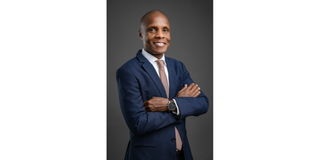
 By Godfrey Mramba

This year, I did something unreasonable, occasionally painful, but deeply satisfying: I ran three world marathon majors — Tokyo, Berlin and New York City.

For those unfamiliar with marathon culture, running one major is hard enough. Getting into one is even harder. Running three in a year requires either excellent planning, stubborn optimism, or a complete misunderstanding of how rest is supposed to work. I plead guilty on all counts.

Yet somehow, by the grace of God and a cooperative body, I finished all three strong, with my slowest time just over three and a half hours.

Not bad for a quinquagenarian and for an incurable early riser who believes the day should start before dawn, whether it’s a marathon or a business meeting, regardless of how the night before went.

What many people don’t realise is that the most challenging part of the majors is not the running. It is the enrolment. Lotteries, qualifying times, charity slots, rejected applications, polite emails and quiet prayers — the process feels suspiciously like pitching for business. Many attempts, few rejections and the occasional breakthrough that makes you grateful you didn’t give up.

Each city had its own personality. Tokyo was disciplined and orderly — no nonsense, no drama. Berlin was fast and furious; blink and you miss a personal best. New York was loud, emotional, chaotic and wonderfully distracting.

Much like business environments, each race required adjustment. What works in Tokyo will not necessarily work in New York. Strategy without a plan is nothing but a dream.

The common thread across all three races was respect for preparation—no marathon rewards shortcuts. You either trained or you didn’t.

The race reveals the truth. Business behaves the same way. PowerPoint slides do not rescue you at 35 kilometres. Systems, discipline and consistency do.

Then there is pacing. Start too fast and you will pay for it later — publicly and without sympathy. Start too slow and you spend the rest of the race chasing what you lost early. Knowing your pace and sticking to it is a leadership skill. Not every quarter needs fireworks. Sometimes survival is victory.

Now, after all that global running, my favourite race of the year is still ahead: the Rombo Marathon on December 23 (today).

This one matters differently. As Christmas approaches, the annual Wachagga migration begins.

Those of us who live and work away from Kilimanjaro start the journey home, the Wachagga migration, locally known as kwenda kuhesabiwa, or to be counted. Cars are washed.

Traffic in Moshi becomes a competitive sport. Somewhere, someone drives a vehicle that has no business being on a village road. There is nyama choma, mbege and enough celebrations to bless marriages, houses, children, cars and occasionally even goats.

In the middle of all this, the Rombo Marathon quietly reminds us that health, too, deserves a place at the table. It is a race run not among skyscrapers, but on motherland soil. No world records. No global branding. Just hills, familiar faces and the quiet satisfaction of running where your story began.

After Tokyo, Berlin and New York, Rombo feels like coming home — because it is.

So yes, three Majors in one year was an achievement. But the real highlight is still Rombo. On December 23, I will lace up again — not to prove anything, but to participate, to belong and to give thanks.

The life lesson?

Sustained performance is never accidental. It is built quietly through preparation, pacing, humility and resilience. Success, whether in sport or business, is rarely about heroic sprints. It is about showing up consistently, knowing your limits, adapting to context and finishing strong.

And just like in marathons, those who last the longest are not always the loudest; they are simply the best prepared.

Godfrey Mramba is Managing Partner at Basil & Alred. The views expressed do not necessarily represent those of Basil & Alred. [email protected]