A decade of progress, a future of hope: How THPS is strengthening Tanzania’s HIV response amid global disruptions
Dr Redempta Mbatia, THPS Executive Director.
For more than a decade, Tanzania Health Promotion Support (THPS) has been at the forefront of Tanzania’s HIV response, working closely with the government and communities to strengthen health systems and ensure lifesaving services remain accessible even amid significant global and local shifts in the HIV funding landscape.
While Tanzania, like the rest of the world, continues to face challenges such as reduced funding, persistent stigma, poverty, and rising new infections among adolescents and young people, THPS has remained focused and resilient.
Its work demonstrates that with strong partnerships, innovation, and community leadership, progress is not only possible it is happening every day.
Partnerships that strengthen a resilient HIV response
With support from the U.S. President’s Emergency Plan for AIDS Relief (PEPFAR) through the U.S. Centers for Disease Control and Prevention (CDC), THPS continues to strengthen HIV prevention, care, and treatment services nationwide.
Through its flagship Afya Hatua Project, THPS supports 364 health facilities across Kigoma, Pwani, Shinyanga, and Tanga regions by building the capacity of 1,176 healthcare workers and introducing digital systems that improve service quality, efficiency, and accountability, delivering measurable, sustainable impact in Tanzania’s HIV response.
To date, 3,181,015 individuals have been tested for HIV through the support of the THPS Afya Hatua project, with 192,731 recipients of care initiated on antiretroviral therapy (ART).
Dr. George Mgomella, Associate Director of Programs at CDC Tanzania, underscores the significance of these partnerships: “Through purposeful and strategic collaboration with the Government of Tanzania and partners, we are advancing a results-driven HIV response that reflects shared accountability and mutual benefit.”
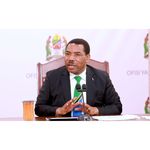
Dr George Mgomella, Associate Director of Programs, U. S. CDC.
“By prioritizing high-quality data, resilient systems, and community-led solutions, we are strengthening national health capacity and delivering measurable progress toward ending HIV as a public health emergency”, he said.
Bringing HIV treatment closer to communities
One of the most significant improvements in service delivery has been bringing HIV treatment closer to communities. THPS supports community ART refill services for 5,026 recipients of care, reducing the need for long and costly travel to health facilities.
In Tandala Village, Kigoma Region, this approach has transformed lives. Joshua Zengo shares his experience: “Before, I used to spend TZS 12,000 for a one-way trip to Uvinza Health Centre, 50 kilometres away, just to attend my ART refill appointment.
Sometimes I missed visits because I couldn’t afford the fare. Now services are close to home. My adherence has improved, my viral load is suppressed, and I can focus on farming and caring for my family.”
Across the country, many clients report similar benefits: less travel, reduced stress, increased engagement to economic activities and better health outcomes.
Better tools for HIV and TB diagnosis
Early and accurate diagnosis saves lives. THPS has supported the installation of 73 modern tuberculosis (TB) testing machines nationwide, including 18 TrueNat and 55 GeneXpert systems, all equipped with power backup at 364 health facilities.
These point-of-care technologies have significantly reduced waiting times, enabled faster treatment initiation, and improved care especially in rural areas.
Healthcare workers report that these tools are improving early TB detection and protecting people living with HIV from severe illness.
Empowering and protecting young women and girls
Adolescent girls and young women remain at higher risk of HIV due to biological, social, economic, and cultural factors. THPS addresses this challenge through peer-led approaches, where trained young women engage their peers in conversations about HIV prevention, testing, and healthy choices.
Through these efforts, 73,763 young women and girls have accessed HIV prevention services, including pre-exposure prophylaxis (PrEP). Peer educators help reduce stigma, build confidence, and connect young people to youth-friendly services supporting healthier and more empowered futures.
One-stop services for HIV and TB
THPS supports health facilities to integrate HIV and TB services in one location, allowing clients to receive comprehensive care in a single visit.
This approach reduces stigma, saves time, improves follow-up, reduce interruptions in treatment, and ensures timely treatment. Communities value the convenience, dignity, and trust that come with integrated services.
Digital innovations powering reliable care
Digital health systems have become central to improving service delivery. THPS has introduced real-time data systems, biometric registration, and digital client-monitoring tools across all 349 supported health facilities.
To ensure reliability, THPS has installed solar power and backup systems in 364 health facilities across Kigoma, Pwani, Shinyanga, and Tanga regions.
At Nindo Health Centre in Shinyanga District Council, Dr. Daniel Singolile explains, “With the solar backup, we now have a reliable power supply. Our data systems stay on, and we can follow up with clients properly. Services are much more reliable now.”
Dr Daniel Singolile, Medical Officer In-charge, Nindo Health Centre.
When communities lead, change happens
Community leadership remains at the core of THPS’s approach. Through Afya Hatua interventions, THPS supports 470 community volunteers including 197 peer mothers, mentor mothers, and community champions who play a vital role in improving health outcomes for women and children.
Together, these volunteers support 86,552 mothers to adhere to treatment, attend clinic appointments, ensure infant follow-up, and reduce HIV-related stigma within their communities.
Peer Mother Geresia Adriano from Kiganamo Health Centre shares: “Helping mothers stay healthy and deliver HIV-free babies is work that makes me proud. Consistent treatment and self-care empower women to live healthy, productive, and fulfilling lives.” Their dedication and compassion lie at the heart of THPS’s lasting impact on families and communities.
Supporting people who use drugs
People who use or inject drugs often face stigma and significant barriers to accessing care. In response, THPS provides Medically Assisted Therapy (MAT) services in Pwani and Tanga regions, supporting more than 1,250 clients to restore their health, stability, and dignity.
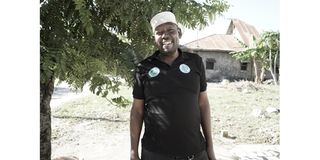
Mzamilu Amiri, a MAT client from Tanga, shares: “MAT helped me rebuild my health, my relationships, and my dignity. I want others to know that recovery is possible.”
Mzamilu Amiri, MAT program participant, Tanga.
Through MAT services, THPS is restoring hope and creating clear pathways to recovery for individuals, families, and communities.
Addressing violence and social vulnerabilities
Violence particularly against women and children heightens vulnerability to HIV. THPS integrates violence screening, counselling, and referral services into routine care, enabling 170,367 survivors to access protection, healing, and justice.
By addressing violence alongside HIV services, THPS helps break cycles of abuse and builds safer, healthier communities.
Strengthening health systems nationwide
THPS works closely with the health teams of the Government of Tanzania at all levels to strengthen systems, improve data use, and enhance service delivery
Dr. Japhet Simeo, Regional Medical Officer for Tanga, says: “With THPS support, we have better diagnostic tools, stronger HIV and TB collaboration, and more consistent services. These partnerships are essential for a healthier region.”
THPS has also contributed to generation of evidence based public health knowledge through a number of research, public health evaluations and surveys.
In 2024 THPS led the second population based house hold Tanzania Violence Against Children and Youth Survey (VACS), which informs the country on burden of violence, risk factors and relationship of violence and HIV infections among children and youth.
As global and local disruptions continue to affect health systems, THPS remains steadfast in its commitment to communities.
Dr. Redempta Mbatia, Executive Director of THPS, affirms: “Challenges such as funding changes, social barriers, and system gaps push us to innovate and strengthen partnerships. THPS remains committed to supporting communities with reliable, caring, and effective HIV services.”
Tanzania’s continued progress depends on collective action from government, development partners, implementing partners to communities and families.
With the PEPFAR investments over the past 20 years the health and community systems are better placed to continue the fight against HIV epidemic. Through collaboration, compassion, and determination, THPS and our partners are building a healthier future one where every person has the opportunity.