Zanzibar to spend Sh1 trillion to strengthen health services in 2026/30

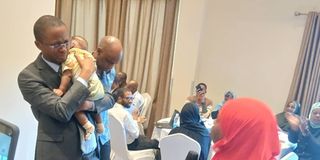
Permanent Secretary in the Zanzibar Ministry of Health, Dr Mngereza Mzee Miraji, listens to Ms Zaria Shah Mohamed, who lost a seven-month pregnancy due to eclampsia, during an assessment of the ZHSF Mothers project on Sunday, May 17, 2026. The project provides free health insurance to pregnant women in Zanzibar. PHOTO | JESSE MIKOFU
Unguja. The Zanzibar Revolutionary Government (ZRG) is set to spend Sh1 trillion to strengthen health services across the islands in the next five years, from 2026 to 2030.

This was announced on Sunday, May 17, 2026, by the Permanent Secretary in the Ministry of Health, Dr Mngereza Mzee Miraji, during an assessment of the ZHSF Mothers project.

The project is implemented by the private institution PharmAccess in collaboration with the Ministry under the Zanzibar Health Services Fund (ZHSF), aimed at ensuring all pregnant women are covered by health insurance.

Dr Mngereza said that over the past five years the government invested Sh130 billion in the health sector, which was used for hospital construction and the procurement of medical equipment.

“These funds will be directed towards rehabilitation works, infrastructure improvements, and strengthening primary healthcare services. The government continues to enhance health services and is increasing investment in the health sector,” he said.

He said improving maternal and child health remains a key priority for the RGZ, including the construction of district and regional hospitals, integration of health systems, and increasing the number of health professionals.

He noted that pregnant women still face challenges in accessing timely healthcare, making the initiative crucial in addressing such gaps.

“Women often worry about failing to access services on time, but through the ZHSF Mothers project, they are now able to attend clinics early, receive timely care in both public and private facilities, and deliver at facilities they trust,” he said.

He added that the use of digital systems has improved the tracking of pregnant women and ensured proper monitoring of services received, describing it as a major step in strengthening healthcare delivery.

PharmAccess Country Director, Dr Heri Marwa, said the organisation is working with ZHSF to ensure every pregnant woman receives care wherever she is, regardless of financial ability.

Under the programme, expectant mothers identified as unable to afford care are issued with free insurance cards, allowing them to access services in any facility covered by the Health Services Fund, whether public or private.

According to Dr Marwa, since the launch of the programme in 2025 in North B and Micheweni districts, 2,800 women have benefited and are now receiving free services in both government and private health facilities.

“The key issue is that the project removes the notion of treating pregnant women as a group; instead, each woman is treated individually. The data collected during every clinic visit helps track the services she has received, what she has missed, and ensures accountability in line with health guidelines,” he said.

He added that Zanzibar records about 65,000 births annually, with around 40 percent of mothers unable to afford services.

The goal is that by 2027, all pregnant women in the islands will be enrolled and issued health insurance cards.

He also said the project has strengthened interconnected systems, including the Zanzibar Health Fund system, patient information systems, and treatment identification platforms, making it easier to monitor service delivery.

A beneficiary and a resident of Mahonda under the ZHSF Mothers programme, Ms Zaria Shah Mohamed, said she previously lost her baby at seven months of pregnancy after failing to take prescribed medication.

The mother, who lives with high blood pressure, suffered pregnancy complications that led to the loss of her baby after being advised by community members against using prescribed medicine.

“In the past, I became pregnant and at seven months developed complications. Since I had no insurance and lacked proper knowledge about blood pressure medication, people in the community told me the medicine was harmful. I stopped taking the tablets and later developed complications and lost the baby,” she said.

Ms Mohamed said in her subsequent pregnancy, in which her baby is now nine months old, she attended the hospital, rejected traditional remedies, was enrolled in the system, and received insurance, which enabled her to deliver safely despite earlier financial constraints.

She urged other women not to stop using prescribed medication or be misled into abandoning treatment, stressing that adherence to medicine is essential.