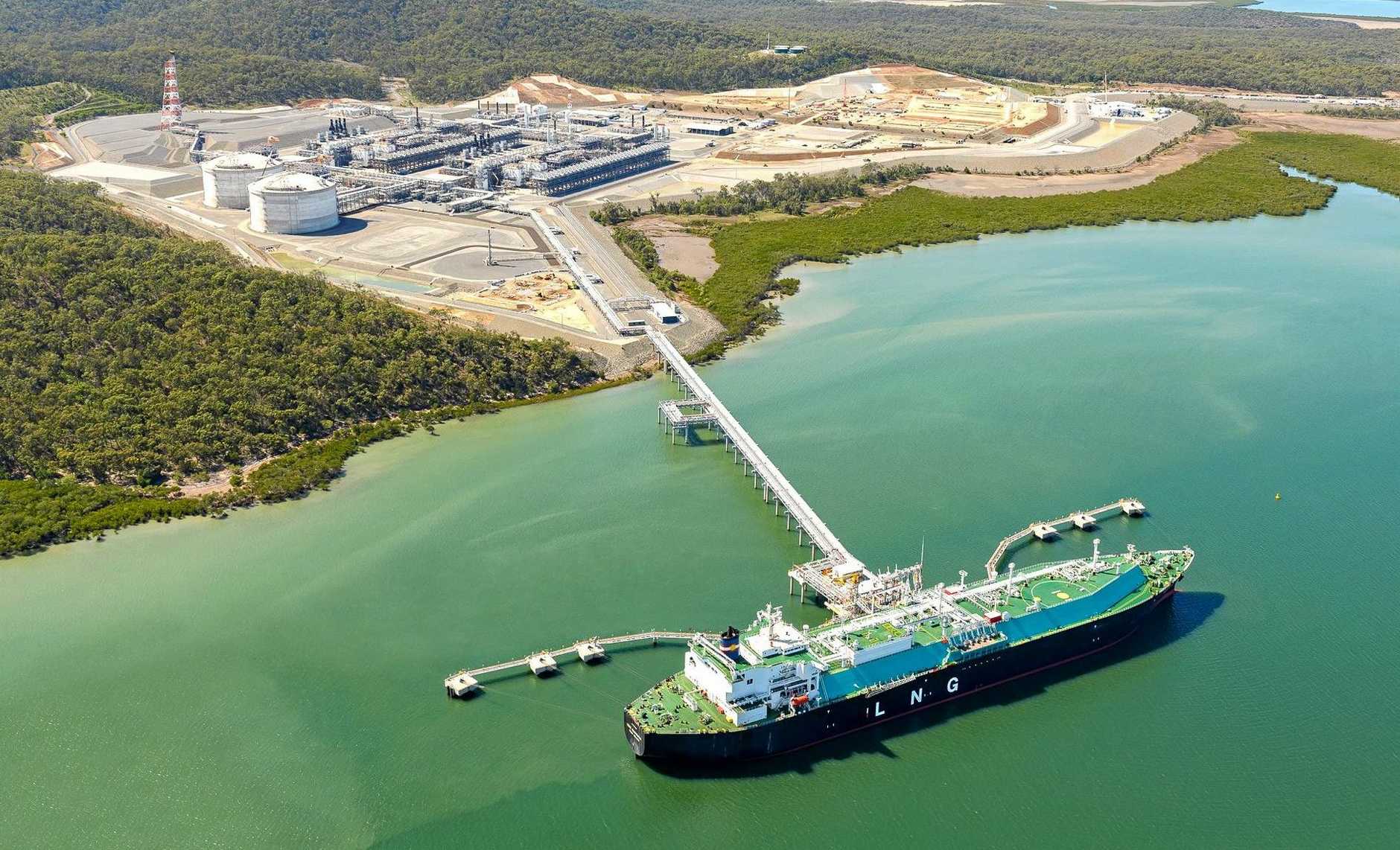
Dar es Salaam. The government has confirmed that negotiations about the implementation of the planned Liquefied Natural Gas (LNG) project are now at advanced stage before signing the final agreement.
Discussions about the project estimated at a value of $42 billion have persisted for years with both the government and international companies raising issues that delayed its implementation.
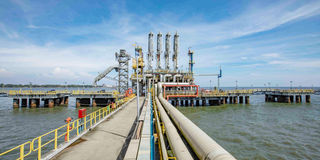
Last September, the government said the Host Government Agreement (HGA) for the LNG project would be finalised before the end of 2025. After final negotiations, the completed documents would be submitted to the relevant authorities for final approval.
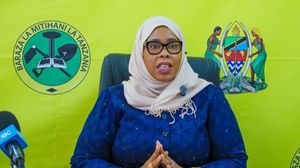
Deputy minister for Energy Salome Makamba, told The Citizen that the outstanding issues surrounding the LNG project are currently under legal review by the Attorney General before signing the agreements.
“The discussions regarding LNG, especially the technical issues and timelines, have been finalised,” she said, adding that the proposals were sent to the attorney general so that he can advise them on legal matters before signing the contract.
When contacted for comments on the matter, the Attorney General, Mr Hamza Johari, confirmed that his office was working on the matter.
“It is true that it is being worked on by my office, with the aim of completing all legal requirements by the end of February 2026,” he briefly said.
The completion of these legal procedures is expected to unlock the next phases of the LNG project, including key investment decisions and implementation milestones.
One of the companies negotiating the project, Equinor Tanzania AS, said the international energy companies (IECs) are working with the government of Tanzania to finalise both the HGA and the Production Sharing Agreement (PSA), which are critical to advancing the project.
“These final stages also include key components required for implementation and for establishing a workable structure for the project. While there is still work ahead, we remain committed to finalising and signing the necessary agreements,” Equinor Tanzania AS Manager for Communications, Ms Genevieve Kasanga, told The Citizen.
This comes against the backdrop of directives issued by President Samia Suluhu Hassan in 2022, instructing that the HGA be completed by December that year to allow preparatory work ahead of a Final Investment Decision (FID) that was targeted for 2025.
In June 2022, President Samia witnessed the signing of a preliminary HGA between the government of Tanzania and project partners Shell and Equinor. She described the LNG project as massive and strategic, with the potential to generate significant capital and revenue.
“My instructions are to safeguard the interests of the country in the next stages of negotiations. This is a give-and-take process, and both sides must show flexibility to achieve the intended goal,” she said, adding that while the project is national in scope, it should first benefit communities in the Lindi and Mtwara regions and build local capacity.
Last month, President Hassan held high-level discussions with Chargé d’Affaires ad interim of the Embassy of the United States of America, Mr Andrew Lentz, at Chamwino State House to advance major bilateral investment initiatives, including the LNG project.
The meeting reviewed the status of several flagship US-linked investments currently under negotiation. Both sides acknowledged substantial progress in finalising agreements for the LNG project and the Tembo Nickel Project, with remaining procedural steps expected to be completed prior to formal signing. Discussions also covered the Mahenge Graphite Project, which continues to advance.
President Hassan reaffirmed Tanzania’s readiness to conclude outstanding processes and move these strategic investments into implementation.
“As a non-aligned country, Tanzania is open, ready and committed to working with all partners who respect our sovereignty and share our vision for prosperity,” President Samia said. “These strategic projects are of national importance, and we are determined to finalise them so they can unlock jobs, investment and sustainable prosperity for our people.”
The LNG project is set to be implemented in the Likong’o area of the Lindi Region.
Tanzania’s LNG development offers significant economic benefits that could transform the nation’s growth trajectory.
By commercialising its large offshore gas reserves through LNG infrastructure, Tanzania can generate substantial government revenue from exports, taxes, and state participation, helping to fund public services like education, healthcare, and infrastructure.
The project also has the potential to boost GDP by billions of dollars annually, improve the balance of payments, and attract foreign direct investment, strengthening the country’s fiscal position and reducing reliance on imported fuels.
Additionally, an abundant and domestically sourced supply of gas can support industrialisation, enabling energy-intensive sectors such as manufacturing and agro-processing to expand, which in turn enhances economic diversification and competitiveness.
Register to begin your journey to our premium contentSubscribe for full access to premium content