Mbeya. The government has announced a crackdown on restaurants and food vendors operating in breach of public health regulations, warning that businesses failing to comply with food safety standards will face legal action.
Authorities said some restaurant operators continue to disregard public health requirements, exposing consumers to food-borne illnesses despite the sector's growing contribution to employment, income generation and essential services.
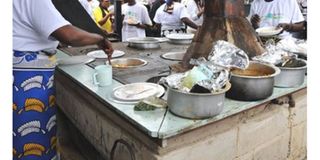
The rapid expansion of informal restaurants, roadside eateries and grilled meat stalls has heightened concerns over compliance with food safety regulations, prompting authorities to intensify inspections and enforcement.
Under Tanzanian law, anyone operating a restaurant or food business, including food handlers and other employees, must undergo a medical examination at an approved health facility and obtain a valid health certificate before preparing or selling food.
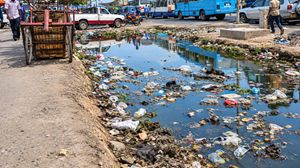
Health experts warn that failure to comply with these requirements increases the risk of diseases associated with poor hygiene, unsafe food handling and unsanitary food preparation environments.
Residents have also raised concerns over hygiene standards at some eateries, calling on authorities to strengthen inspections and take firm action against operators who flout the law.
A survey by The Citizen’s sister newspaper Mwananchi in different parts of Mbeya Region found many informal food vendors, commonly known as mama lishe and baba lishe, were unaware of the legal requirements governing the business.
It also found numerous roadside grilled meat and chips vendors, particularly near bus terminals, operating below acceptable public health standards.
Mixed awareness among food vendors
Speaking separately, some vendors said they had undergone the required medical screening and obtained health certificates, while others admitted they had never been informed that the procedure was mandatory.
A mama lishe operator in Uyole, Ms Victoria Michael, said she had sold food for six years without knowing medical screening was a legal requirement.
"This is the first time I have heard about these health checks. Where are we supposed to go? Who determines that we are fit to prepare food, and what illnesses are they testing for?" she asked.
"As far as I know, my responsibility has been to pay taxes, keep my premises clean and prepare food in a hygienic environment," added Ms Michael.
A baba lishe operator in Soweto, Mbeya City, Mr Paschal John, said no health official had ever informed him about compulsory medical examinations.
"Should we go to a hospital, health centre or dispensary? We need professionals to guide us so we know exactly what is required. Personally, I always make sure the food I prepare is safe," he said.
However, another vendor, Ms Jesca Mwashilindi, said she had complied with all legal requirements before opening her business.
"Health officers trained us before I started the business. I underwent the medical examination and received my certificate. The main challenge is ensuring my assistants are also tested because many work only for a short period," she said.
Public raises food safety concerns
A resident of Chimala in Mbeya Region, Mr Agustino Novat, said poor hygiene at some restaurants continued to endanger consumers.
"Sometimes you eat at a restaurant and later develop stomach problems. Some of these illnesses are caused by food sold by roadside vendors," he said.
"You find grilled meat being sold at unusually low prices and begin wondering where it came from. In the end, it is consumers who suffer," added Mr Novat.
Experts urge tougher enforcement
Public health and environmental expert, Mr Titus Shaban, said food safety begins with good personal hygiene and clean food preparation environments.
"People should not compromise hygiene in pursuit of income. Food handlers must maintain personal cleanliness, wear appropriate protective clothing and prepare food in sanitary conditions. Otherwise, the consequences can be serious for both vendors and consumers," he said.
He urged authorities to enforce existing laws consistently while encouraging the public to play a greater role in promoting environmental cleanliness and protecting public health.
The Tanzania Bureau of Standards (TBS) Southern Highlands Zone manager, Mr Rodney Alananga, said the agency, working with health authorities, continues to train vendors and register food business premises to improve compliance with food safety regulations.
He said operators found preparing food in unhygienic conditions, failing to wear protective clothing or violating food safety regulations face enforcement action in collaboration with local government authorities.
Mbeya Regional Health Officer, Mr Nimrod Kiporoza, said authorities were preparing comprehensive inspections to identify businesses operating outside the law.
He said inspections would begin with education and registration before authorities took legal action, including prosecution, against operators who continued violating public health regulations.