MCL
|
MwanaClick
Home
National
international
More
•••
Sign in
My Account
Personal details
Change password
Purchases
Sign out
Search
Home
News
National
international
Sports
Football
Basketball
Athletics
Swimming
Business
Finance
Enterprise
Boss Talk
OpEd
Editorials
Our Columnists
Guest Columns
Cartoon
Puzzles
Zanzibar
Tourism
Blue Economy
Real Estate
Tech Page
Magazines
The Beat
Smart World
Political Reforms
Market Data
Jobs
Notices
Tenders
Notices
Tenders
Services
MCL
MwanaClick
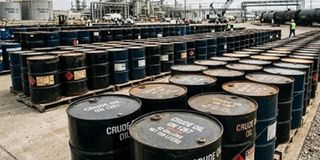
G7 ministers consider emergency oil release as Middle East tensions push prices higher
Monday, March 09, 2026
- 2 min read
By
The Citizen Reporter
Media/news company
Mwananchi Communications Limited
Related
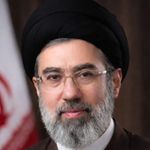
Who is Mojtaba Khamenei? Iran’s new supreme leader explained
How conflict in the Middle East could impact Tanzania
Latest
VP gets successor at Energy docket as former TRC boss gets ministerial post
Yanga, Simba share scoring burden as fierce derby looms
Joel Lwaga’s Diamond collaboration sparks gospel debate
Kenyans shine at CEOs Luxury Retreat golf tournament
El Niño continues to strengthen, set to peak in Tanzania in November and December
Finland lessons reshape Tanzania’s startup and digital innovation agenda
In the headlines
View All
VP gets successor at Energy docket as former TRC boss gets ministerial post
El Niño continues to strengthen, set to peak in Tanzania in November and December
Tanzania moves closer to cable transport services
National exams brought forward over El Niño threat