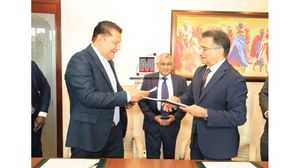
Government distributes vehicles and digital tools to support special education
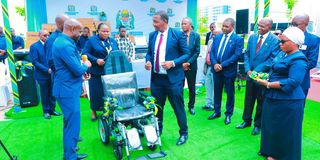
The Minister for Education, Science and Technology, Professor Adolf Mkenda (sixth from the right), being briefed on a self-driving wheelchair that operates independently without assistance from another person
What you need to know:
The initiative focuses on empowering teachers, trainers and special education teachers with disabilities.
By Katare Mbashiru
Dodoma. The government has launched the distribution of vehicles and digital educational equipment worth over Sh6 billion in an initiative aimed at enhancing education for teachers and students with disabilities.
During an event held at the ministry of Education, Science and Technology headquarters in Dodoma, the minister for Education, Science and Technology, Prof Adolph Mkenda handed over four vehicles valued at 904.8 million and assistive devices worth 5.3 billion.
The initiative focuses on empowering teachers, trainers and special education teachers with disabilities. A diverse range of educational materials included in the distribution, include laptops, braille devices, hearing aids, and various tools designed to enhance teaching and learning experiences.
“The equipment will greatly assist in providing quality education for students, especially those with disabilities,” Prof Mkenda stated, emphasising its role in improving communication and participation in educational activities.
The materials, according to the minister, will be distributed to 309 primary schools, 629 secondary schools, and 10 teacher training colleges across all 184 councils.
The distribution aims to benefit 342 individuals with limb disabilities, 310 with visual impairments, 90 with albinism, 158 with mild hearing loss, 63 special education teachers, and 20 trainers with disabilities, said the minister, adding that the four vehicles will be used by quality assurance officials from the ministry.
“I would like to emphasize that vehicles for school quality assurance and educational materials and assistive technology for teachers, trainers, and special education teachers should be used for their intended purposes,” he said adding that beneficiaries are responsible for maintaining and reporting on the use and condition of these materials according to established usage guidelines and procedures to ensure their long-term usability.
He further emphasised in his speech, that the government had equally prepared, printed, and distributed books for visually impaired and low-vision students in primary schools, secondary schools, and teacher training colleges.
“Currently, books for early education, primary, secondary, and practical training have been distributed to schools for these students. Additionally, the presence of these books enhances motivation, efficiency, and understanding within the teaching and learning context,” he said.