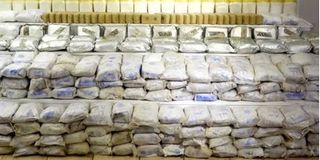
Mtwara. In efforts to strengthen the fight against illicit drugs in the country, the Southern Zone of the Drug Control and Enforcement Authority (DCEA) has seized 1,776 kilogrammes of cannabis and 250 grammes of heroin during various operations conducted in Mtwara, Lindi and Ruvuma regions.
The operations, carried out between May 2025 and May 2026 in collaboration with security and defence agencies, also led to the destruction of 156 hectares of cannabis farms.
The details were disclosed on Friday, July 3, 2026, by DCEA Assistant Commissioner, Mr John Katabi during the Southern Zone's commemoration of the International Day Against Drug Abuse and Illicit Trafficking.
He added that 117 suspects, including 107 men and 10 women, were arrested during the operations.
Mr Katabi said all the suspects were arraigned before the courts, where 68 cases have already been concluded, with 52 people convicted, while 49 cases are still pending.
He said the achievements reflect the government's commitment to continuing the fight against drug trafficking and abuse, stressing that every quantity of drugs seized represents an important step towards saving young people's lives and safeguarding the future of society.
“Apart from the operations, the DCEA has continued educating the public about the dangers of drug abuse, reaching more than 2.5 million people through public meetings, the media, educational institutions, places of worship, markets and other community gatherings,” he said.
Speaking during the commemoration, Mtwara District Commissioner Abdallah Mwaipaya said illicit drugs are a major enemy of economic development because they deprive the nation of its workforce, particularly young people who should be producers, innovators, and pillars of community development.
He said many families have lost property and fallen into debt while caring for victims of drug abuse, a situation that fuels poverty, dependency and undermines social wellbeing.
“At the national level, drug abuse reduces productivity, increases healthcare and crime-related costs, and forces the government to spend substantial resources on prevention, enforcement, treatment and rehabilitation of victims,” said Mr Mwaipaya.
"Therefore, each one of us has a responsibility to say no to illicit drugs in order to protect the economies of our families and our nation," he added.
However, he stressed that the fight against illicit drugs cannot be left to the government alone, but requires the active participation of parents, guardians, teachers, religious leaders, local government leaders, young people, and society at large.
For his part, a former drug addict, Mr Hamisi Said, thanked the government for providing him with assistance that enabled him to overcome addiction and return to a normal life.
He said the education, counselling and rehabilitation services he received helped him understand the dangers of drug abuse and gave him the strength to rebuild his life.
"I had lost hope and direction in life, but through the support I received I managed to quit drug abuse, return to work and participate in community development activities," he said.