Illegal mining blamed for rising Lake Rukwa flood risks

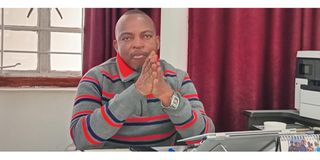
Lake Rukwa Basin Water Board executive director, Mr Emmanuel Kisendi, speaks to Mwananchi, The Citizen’s sister newspaper, at his office on Wednesday, July 8, 2026, about rising silt levels in Lake Rukwa, with authorities warning that the practice is accelerating environmental degradation and increasing flood risks for communities around the lake. PHOTO | HAWA MATHIAS
Mbeya. Illegal gold mining activities in Chunya District, Mbeya Region, have been blamed for increasing silt levels in Lake Rukwa, with authorities warning that the practice is accelerating environmental degradation and raising flood risks for communities around the lake.

The Lake Rukwa Basin Water Board has warned miners against carrying out illegal activities and using chemicals in rivers that drain into the lake, saying such practices pollute water sources and increase sediment deposits.

The board said mining, farming, and other activities conducted in river reserves in breach of regulations were among the factors contributing to environmental damage in the basin.

Speaking to The Citizen’s sister newspaper, Mwananchi, on Wednesday, July 8, 2026, Lake Rukwa Basin Water Board executive director, Mr Emmanuel Kisendi, said increased silt accumulation could raise water levels and expose surrounding communities to flooding.

“Social activities have greatly contributed to affecting Lake Rukwa. This situation could cause flooding for residents living around the lake due to increased water levels,” he said.

Mr Kisendi said data collected between 2020 and 2023 showed that water levels had risen by about four metres, expanding the lake’s surface area and increasing risks for nearby settlements.

However, he said the board was still conducting studies to determine whether the rise was caused by increased rainfall or human activities that accelerate siltation in rivers flowing into the lake.

“Mining activities inside rivers are unacceptable. Those with valid licences must comply with legal requirements and avoid using chemicals during mineral extraction to protect water resources,” he said.

Mr Kisendi said pollution resulting from economic and social activities continued to threaten the ecosystem of the Lake Rukwa Basin.

He identified encroachment on river reserves as another major challenge, with some residents continuing agricultural activities in areas designated for protecting water sources.

Board outlines measures

Mr Kisendi said the board was enforcing water resource management laws to ensure mining, farming, and other activities did not damage rivers feeding Lake Rukwa.

He said authorities were also educating communities on the importance of protecting river reserves and encouraging residents to relocate from high-risk areas through dialogue rather than force.

The board has continued installing boundary markers around rivers and the lake to help residents identify areas where human activities are restricted.

Mr Kisendi warned that continued disregard for directives would force authorities to take action under the Water Resources Management Act No. 11 of 2009, its 2022 amendments, and the Environmental Management Act of 2004.

“Those laws prohibit human activities within 60 metres from river banks unless special permission is obtained from relevant authorities,” he said.

Chunya District Environmental Officer, Mr Lucas Deodory, said despite challenges caused by encroachment of river reserves for mining and mineral processing, his office continued educating miners and residents on environmental protection.

“We are working with the Lake Rukwa Basin Water Board to provide education and conduct awareness meetings on the ban against social activities, especially gold processing, within 60 metres of river reserves,” he said.

Mr Deodory said a similar challenge had previously occurred in copper mining areas, where some miners entered restricted zones and damaged infrastructure.

He said authorities responded by marking boundaries and enforcing environmental protection laws.

Kibaoni resident, Mr Fabian Lwitiko, who is a small-scale miner, said continuous education and enforcement were necessary to address environmental destruction.

“I am a small-scale miner. The challenge exists, but we ask relevant authorities to continue providing education and enforcing the law without hesitation to protect the environment and water sources,” he said.

Ms Chausiku Mturo said activities taking place inside river reserves had contributed to environmental degradation and reduced biodiversity, including fish and sardines that provide food and income for local communities.