Infrastructure, crops at risk as El niño advances

Dar es Salaam. Transport infrastructure including roads, railways and airports has been earmarked for possible disruption from heavy rains expected during the 2026 Vuli season, with the Tanzania Meteorological Authority (TMA) warning of flooding and strong winds across the country.

The warning follows a climate outlook indicating above-normal to normal rainfall is expected in several parts of the country from September 2026 to January 2027, with the season expected to be significantly influenced by strong El niño weather.
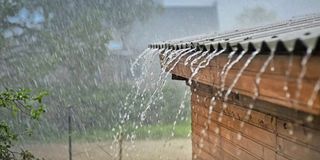
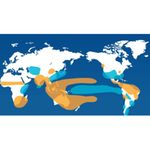
The Vuli rains mainly affect the north-eastern highlands, northern coast, Lake Victoria Basin and northern Kigoma Region.

The weather outlook covers Arusha, Manyara, Kilimanjaro, northern Morogoro, Pwani, Dar es Salaam and Tanga, as well as Kagera, Geita, Mwanza, Shinyanga, Simiyu and Mara regions, and the islands of Unguja and Pemba.

TMA director general, Mr Ladislaus Chang’a, urged authorities responsible for transport infrastructure, including the railway network, to prepare for the expected weather conditions.

He said rainfall would range from above average to average in many areas of the Northern Coast, North-eastern Highlands, Lake Victoria Basin and northern Kigoma.

“The rains are expected to begin in the fourth week of September and the first week of October 2026 in the Lake Victoria Basin before gradually spreading to other areas in October,” he told journalists in Dar es Salaam yesterday when briefing on the development.

Mr Chang’a said heavy rainfall, strong winds and flooding could affect infrastructure and operations across the transport sector, including roads, railways, ports and airports.

He warned that road embankments could collapse, bridges and Metre Gauge Railway (MGR) and Standard Gauge Railway (SGR) railway infrastructure could be damaged, hence increasing the risk of accidents.

At the ports, he said cargo loading and unloading could be delayed, particularly for goods requiring protection from moisture.

Furthermore, he said the disruption could also damage cargo and infrastructure, therefore increasing operational and maintenance costs.

Mr Chang’a also urged communities in flood-prone areas to prepare by stocking food, setting aside emergency funds and identifying safer places to move to if flooding occurs. The expected rains could also have consequences for agriculture, livestock, wildlife and tourism.

The outlook warns that excessive soil moisture and flooding could affect crop growth and agricultural infrastructure, while fungal, bacterial and viral diseases may increase.

Potatoes, sunflower, beans, sesame, fruits and vegetables could be particularly affected.

Prolonged rainfall could disrupt harvesting and increase post-harvest losses, although normal agricultural activities are expected to continue in some areas.

For livestock, the outlook warns of possible outbreaks of diseases such as Rift Valley fever and foot rot, as well as increased breeding of disease-carrying insects.

Seaweed farmers could also face increased disease and reduced production because of lower seawater salinity.

In wildlife areas, pasture and water availability is expected to be good.

However, excessive rainfall, water stagnation and flooding could push wildlife into communities around parks and game reserves, increasing the risk of human-wildlife conflicts and disease transmission between wildlife and domestic animals. Transport operators have also been urged to prepare for dangerous road conditions.

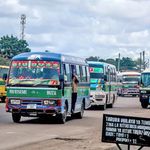
Tanzania Bus Owners Association (Taboa) secretary-general Priscus Joseph said passenger safety should take precedence over travel schedules during the rainy season. He said the association was aware of the El niño forecast and would continue educating drivers to avoid roads and sections known to flood during heavy rains.

“Delaying is better than arriving at an accident,” he said, urging drivers to stop when heavy rain reduces visibility or makes a journey unsafe.

Mr Joseph said operators should consider postponing journeys when conditions become dangerous, particularly on roads affected by flooding, poor visibility and slippery surfaces.

“We need to work with the authorities, including the police and Latra (Land Transport Regulatory Authority). Drivers should not be forced to follow schedules when weather conditions make it unsafe to continue,” he said.

He also urged bus owners to service their vehicles before the rains intensify, paying particular attention to tyres and braking systems.

“Tyres must have good tread because roads become slippery during heavy rain. A vehicle whose braking system is not in good condition should not be on the road,” he said.

Tanzania’s Animal Welfare Society executive director, Dr Thomas Kahema, advised livestock and pet owners to vaccinate their animals in advance, particularly against diseases that could spread rapidly when animals are displaced.

“People should vaccinate their animals early. For dogs and cats, they should receive the necessary rabies vaccinations, while cattle and goats also require vaccinations against diseases that can spread quickly,” he said.

Dr Kahema also urged households to set aside money for emergencies, saying disaster preparedness should include animals.

“If someone has planned several expenses, they should consider reducing some of them so they can prepare for what may come,” he said.

He said animals were often forgotten during disasters as people prioritised their own safety, leaving pets and livestock behind. He said early preparation could reduce losses and protect livelihoods during emergencies.