Parliament backs Samia’s push for reconciliation, economic reform
What you need to know:
Under her administration’s roadmap, President Hassan has set an ambitious target of achieving 7 percent GDP growth and delivering massive infrastructure expansion by 2030.
By katare Mbashiru
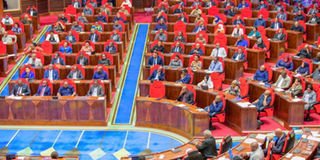
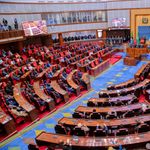
Dodoma. Tanzania’s Parliament has begun debating President Samia Suluhu Hassan’s inaugural address to the 13th Parliament, with lawmakers overwhelmingly praising her commitment to national healing, reconciliation, and economic transformation following the October 29, 2025, General Election.
During the opening of the debate on Tuesday, January 27, 2026, Members of Parliament (MPs) commended President Hassan’s decision to initiate a journey toward unity by proposing independent mechanisms to investigate unrest that occurred during and after the polls.
Legislators described the move as a crucial step toward restoring public trust and strengthening democratic institutions.
In her speech, President Hassan pledged to form a Justice, Truth and Reconciliation Commission, tasked with exploring measures for healing and reconciliation, as well as promoting political and social cohesion.
She also announced plans to begin the long-awaited process of drafting a new national constitution.
MPs said the President’s address, delivered on November 14, 2025, provided a clear roadmap for Tanzania’s political and economic future.
“I want to thank the President for establishing the commission, which will establish what really transpired,” said Bunda MP Ester Bulaya, referring to the proposed independent inquiry.
Her sentiments were echoed by Biharamulo MP Ezra Chiwelesa, who described the Judge Chande-led commission as “a good starting point toward healing and reconciliation.”
Beyond governance and reconciliation, legislators expressed strong support for the President’s economic agenda, which prioritises growth, stability, and inclusivity.
“She expressed her quest to see growth in both the micro and macro economy, as well as increasing GDP (Gross Domestic Product) growth from 5.6 to 7 percent. In my view, this is the way to go,” said Kikwajuni MP Ali Hassan King.
In her address, President Hassan emphasised price stabilisation, industrial incentives, and greater support for domestic private enterprises, stressing that economic growth must be both inclusive and sustainable.
She highlighted the need to integrate youth and women entrepreneurs into investment schemes and to introduce digital procurement reforms to improve transparency and efficiency.
“Growth should translate into opportunity for citizens, not just capital accumulation,” said the President.
Korogwe Rural MP Timotheo Mzava praised the proposed economic plans, describing them as an “engine for people’s development.”
Under her administration’s roadmap, President Hassan has set an ambitious target of achieving 7 percent GDP growth and delivering massive infrastructure expansion by 2030.
Lawmakers also welcomed the President’s decision to establish a special ministry for youth development and to allocate funds aimed at helping young people create their own employment.
Chemba MP Kunti Majala and Special Seats MP Hawa Mchafu said the youth fund would play a vital role in addressing unemployment among young Tanzanians and empowering them to participate meaningfully in the economy.
In the House, the dominant tone remains one of optimism, with legislators portraying President Hassan’s agenda as a unifying blueprint for political stability, economic resilience and inclusive national development.