Tanzania Parliament’s second sitting opens Tuesday, five key issues expected

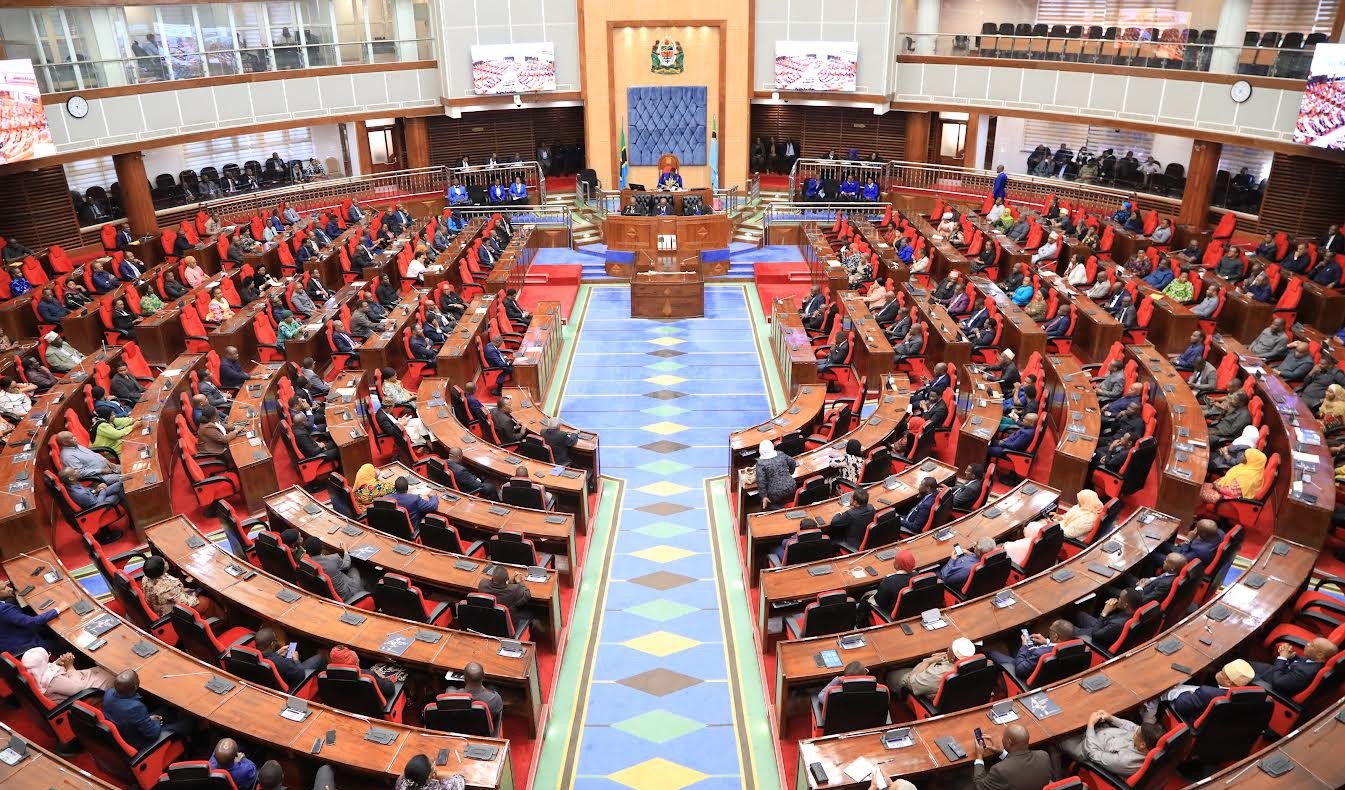
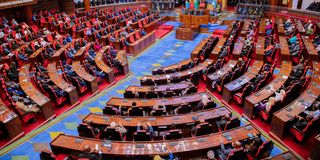
Dodoma. Tanzania’s Parliament will on Tuesday, January 27, 2026, open its second sitting, with five major developments expected during the two-week session.

It will be the first sitting of the 13th Parliament under Speaker Mussa Azzan Zungu with a fully constituted government, including a Prime Minister, Attorney General (AG) and all Cabinet ministers.
When President Samia Suluhu Hassan inaugurated the 13th Parliament on November 13, 2025, the government had not yet appointed ministers.

AG Hamza Johari was already in office, while Dr Mwigulu Nchemba was later appointed Prime Minister.

Among the key items expected is debate on President Hassan’s inaugural address, as well as the first Prime Minister’s Question and Answers session since Dr Nchemba assumed the role.

In the 12th Parliament, former Premier Kassim Majaliwa served as government exwcutive, while Dr Nchemba was Minister for Finance.

Question and Answers session to the premier is provided for under parliamentary standing orders.

Another item will be the swearing-in of two newly elected MPs, Dr Godwin Mollel (Siha) and Ms Asha Hussein Saleh (Fuoni), both from CCM, following by-elections held on December 30, 2025, after the original polls were postponed due to the death of candidates.

The fourth agenda item is the confirmation or election of three parliamentary committee chairpersons.

On Sunday, January 25, 2026, CCM’s Central Committee, chaired by President Samia, endorsed three nominees: Deodatus Mwanyika, Cecilia Pareso and Najma Murtaza Giga, currently chairing standing parliamentary committees.

Mr Mwanyika heads the Industries, Trade, Agriculture and Livestock Committee, Ms Pareso chairs the Subsidiary Legislation Committee, while Ms Giga leads the Foreign Affairs, Defence and Security Committee.

In the 12th Parliament under former Speaker Dr Tulia Ackson, Mr Mwanyika and Ms Giga served as parliamentary chairpersons, while Ms Pareso was a special seats MP for Chadema before later joining CCM and being appointed an MP by the President.

The fifth item will be a Speaker’s statement on the deaths of two MPs, Ms Jenista Mhagama (Peramiho), who died on December 11, 2025, at Benjamin Mkapa Hospital in Dodoma following heart complications, and Ms Halima Idd Nassor, a special seats MP who died on January 18, 2026, at Jakaya Kikwete Cardiac Institute (JKCI) in Dar es Salaam.

Ms Mhagama had represented Peramiho for 20 years since 2005 and served in several ministerial positions.

In her inaugural address, President Hassan emphasised the implementation of the National Development Vision 2025/50, focusing on inclusivity, prosperity, justice and prioritising employment-intensive sectors and infrastructure projects.

She also addressed post-election violence, urging patience as a commission of inquiry was formed, a process she said has since been completed.

The President pledged to maintain close engagement with the youth, including the creation of a dedicated ministry.

Mpanda Rural MP, and Infrastructure Committee chairperson, Mr Seleman Kakoso, CCM, said MPs would give strong attention to the President’s address, noting it contained important national directives.

He said key discussion areas would include healthcare, youth employment, including small-scale mining, and infrastructure development.

“We will focus on issues that directly affect citizens, such as hospital detention of bodies, universal health insurance, and major infrastructure projects including high-speed rail to open up the country,” said Mr Kakoso.

A veteran MP and former minister, who requested anonymity, urged lawmakers to exercise caution in their contributions to avoid alienating voters or contradicting government priorities.

“You cannot praise everything and still represent voters honestly, but excessive criticism also creates tension. MPs must balance carefully,” said the MP.

Retirees Association coordinator, Mr Ezekiel Oluoch said the country remained wounded following the general election and urged MPs to avoid hypocrisy and focus on national healing.

“There is a deep fracture in the nation arising from election grievances. Parliament must guide the government to compensate victims and address unresolved concerns,” said Mr Oluoch.

He cited the leadership example of former President Ali Hassan Mwinyi, who resigned as Minister for Home Affairs following violence in Shinyanga, saying accountability should not be feared.

Legal and Human Rights Centre (LHRC) executive director, Dr Anna Henga, said parliamentary debates should prioritise healing and national reconciliation.

She referred to public sentiments expressed during the funeral of Chadema founder and first Bank of Tanzania governor Edwin Mtei, who died on January 19, 2026, in Tengeru, Arusha.

During the funeral on January 24, political leaders from both government and opposition, including Prime Minister, Dr Nchemba representing President Hassan called for national healing.

Dr Henga said Parliament should create space for open dialogue to allow citizens to express grievances and rebuild trust.

“We want MPs to avoid political grandstanding and instead promote genuine national dialogue so the country can heal,” she said.