Regional medical camp to provide over 500 specialist surgeries
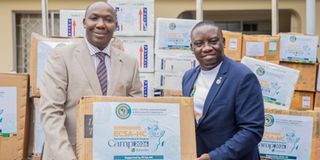
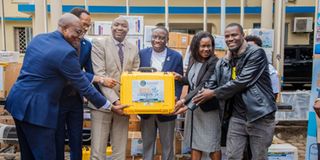
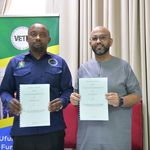
ECSA-HC Director General, Dr Ntuli Kapologwe (right), hands over medical equipment, supplies and health commodities worth $36,000 (about Sh95 million) to the Ministry of Health's Deputy Permanent Secretary, Mr Emmanuel Tayari, ahead of the 2026 ECSA-HC Specialised Medical and Surgical Camp in Arusha.
Arusha. More than 500 patients are expected to undergo specialist surgical procedures during the 2026 ECSA-HC Specialised Medical and Surgical Camp, a regional initiative aimed at improving access to advanced healthcare.
The 10-day outreach programme, organised by the East, Central and Southern Africa Health Community (ECSA-HC) in partnership with the Ministry of Health, will run from July 21 to 30 at Mount Meru Regional Referral Hospital in Arusha and Ligula Regional Referral Hospital in Mtwara.
Chairperson of the organising committee and Muhimbili Orthopaedic Institute (MOI) Executive Director, Dr Mpoki Ulisubisya, said each camp is expected to serve more than 1,000 patients, with over 500 surgeries to be performed.
The procedures will cover ear, nose and throat (ENT) disorders, reconstructive orthopaedic surgery for accident victims, obstetrics and gynaecology, and various cancers.
A total of 33 specialist doctors have been deployed, with 15 stationed in Arusha and 18 in Mtwara. Registration is underway, with 229 patients enrolled in Arusha and more than 251 in Mtwara.
To support the programme, ECSA-HC has donated medical equipment, medicines and other health commodities worth $36,000 (about Sh95 million).
Speaking during the handover, ECSA-HC Director-General Dr Ntuli Kapologwe said the donation would improve access to specialised healthcare, reduce waiting times and strengthen the skills of health workers through knowledge sharing and practical collaboration.
He said the programme is being rolled out across ECSA-HC member states. Malawi has already received similar medical supplies, Uganda has completed its outreach camp, while Kenya, Mauritius and other member states will follow.
Beyond treating patients, Dr Kapologwe said the initiative supports Tanzania's drive towards Universal Health Coverage by providing specialist care to patients who have waited months or even years for surgery. He added that the donated equipment would continue benefiting hospitals after the camp ends.
Receiving the donation, Deputy Permanent Secretary in the Ministry of Health, Mr Emmanuel Tayari, said the initiative demonstrates the value of regional cooperation in expanding access to specialised healthcare.
He said the government would ensure the donated supplies are used transparently and for their intended purpose, adding that the camps will also provide opportunities for training and knowledge exchange between Tanzanian health workers and specialists from across the region.
The Ministry of Health's Director of Curative Services, Dr Hamad Nyembea, said the outreach forms part of the government's strategy to decentralise specialist healthcare, reduce referrals and enable more Tanzanians to receive advanced treatment within the country.