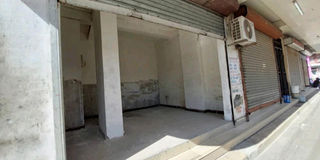
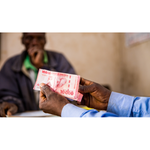
Dar es Salaam. In the bustling corridors of Dar es Salaam’s busiest markets, a hidden economy hums quietly beneath the chaos of daily trade. Traders are buying and selling market stalls and rooms—locally called “frames”—turning official allocations into valuable commodities.
What was meant to be a regulated system has grown into a shadow market, neither fully legal nor entirely policed, yet for many, it is a lifeline.
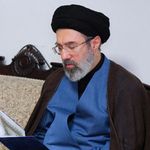
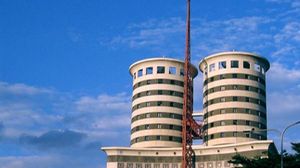
At Kariakoo Market, the city’s largest and most iconic trading hub, Prof Riziki Shemdoe, Minister of State in the Prime Minister’s Office for Regional Administration and Local Government, has issued clear instructions to market authorities.
During his visit on December 24, 2025, to inspect ongoing renovations—which began in January 2022 and were handed over to the Kariakoo Market Authority in August 2025—he emphasised that all stall allocations must reflect market value and genuinely benefit traders.
“No individual should bypass official procedures,” Prof Shemdoe said, highlighting the government’s aim to ensure fairness, prevent exploitation, and uphold President Samia Suluhu Hassan’s vision for orderly, inclusive markets.
Deputy Regional Administrative Secretary (Infrastructure), Mr Aman Mafuru, said the renovation incorporated robust infrastructure, including fire safety systems, goods-lifting lifts, and facilities designed to serve both traders and buyers.
Yet, beyond Kariakoo, in markets like Mwenge, Magomeni, and Tandale, the reality on the ground tells a different story.
Here, traders have built their own informal economy—an intricate web of agreements and transactions that operates in parallel with official allocations.
In Mwenge Market, Juma Kireba, a veteran clothing trader, gestures toward the tightly packed rows of stalls.
“Sometimes you are stuck. Sales are slow, capital is tight, and waiting for official allocation can take months. Selling a frame allows you to recover money and move elsewhere. It’s survival,” he says.
“Without it, trading in these crowded markets would be almost impossible. Official allocations are slow, and spots are limited. This is how we keep our businesses alive,” he added.
Nearby, footwear vendor Maimuna Hafidhi nods in agreement. “Some buy frames deliberately, hoping to resell at a higher price. You might pay six million shillings today, eight million tomorrow. Prime spots are scarce, and this is how we survive. Waiting for official allocations could mean never getting a viable space,” she says.
Mobile phone vendor Matiko Charles adds another dimension. “These frames are more than just space—they are our daily bread. People even sell frames before completing their rent payments. Prices fluctuate depending on location, traffic, and potential sales. We are just adapting to reality,” he explains.
At Magomeni Market, traders describe the practice as a matter of trust and timing.
“Buying a frame from another trader is often the only way to start immediately. The market is busy, customers are many, and you are confident of recouping your investment,” says Johari Nzinga, a food vendor.
Godwin Edward, who sells shoes nearby, adds: “It’s not about cheating the system. Official channels are slow. If you want to trade today, you need a solution now. Buying from someone else guarantees a prime spot immediately.”
In these markets, informal agreements can be surprisingly sophisticated. Naomi Josephat, a mobile phone vendor, explains: “Sometimes the original owner retains certain rights or receives compensation if business falters. Trust is everything. Break that trust, and you’re out.”
The shadow trade is not limited to large stalls. In Tandale Market, spaces for tables and small kiosks can fetch up to 1.5 million shillings. Hassan Hassan, a vendor there, says the high prices reflect steady foot traffic and guaranteed business continuity.
Amina Babu, who sells clothes and electronics, calls the system “practical and necessary.” “Without these informal trades, many of us would struggle. Official allocations alone cannot meet demand. Buying a frame benefits both buyer and seller and ensures business keeps moving,” she says.
She notes that while the informal system carries risks, disputes over payments, ownership, or stall use sometimes erupt, especially when a single frame changes hands multiple times—market elders often step in to mediate.
“Most traders know each other, so agreements are usually respected. It’s a system built on mutual trust. Ironically, it complements official allocations rather than undermines them,” she says.
The informal trade also makes economic sense. By allowing stalls to change hands, capital is recirculated, traders can relocate to higher-traffic areas, and new entrants gain access without waiting for official allocations.
“It’s a cycle that keeps business moving. You buy, sell, and trade carefully, but everyone benefits in the end,” she says.
However, when contacted by The Citizen regarding the matter, Prof Shemdoe emphasised: “The position we announced in Kariakoo applies to all markets across Tanzania.”
Register to begin your journey to our premium contentSubscribe for full access to premium content