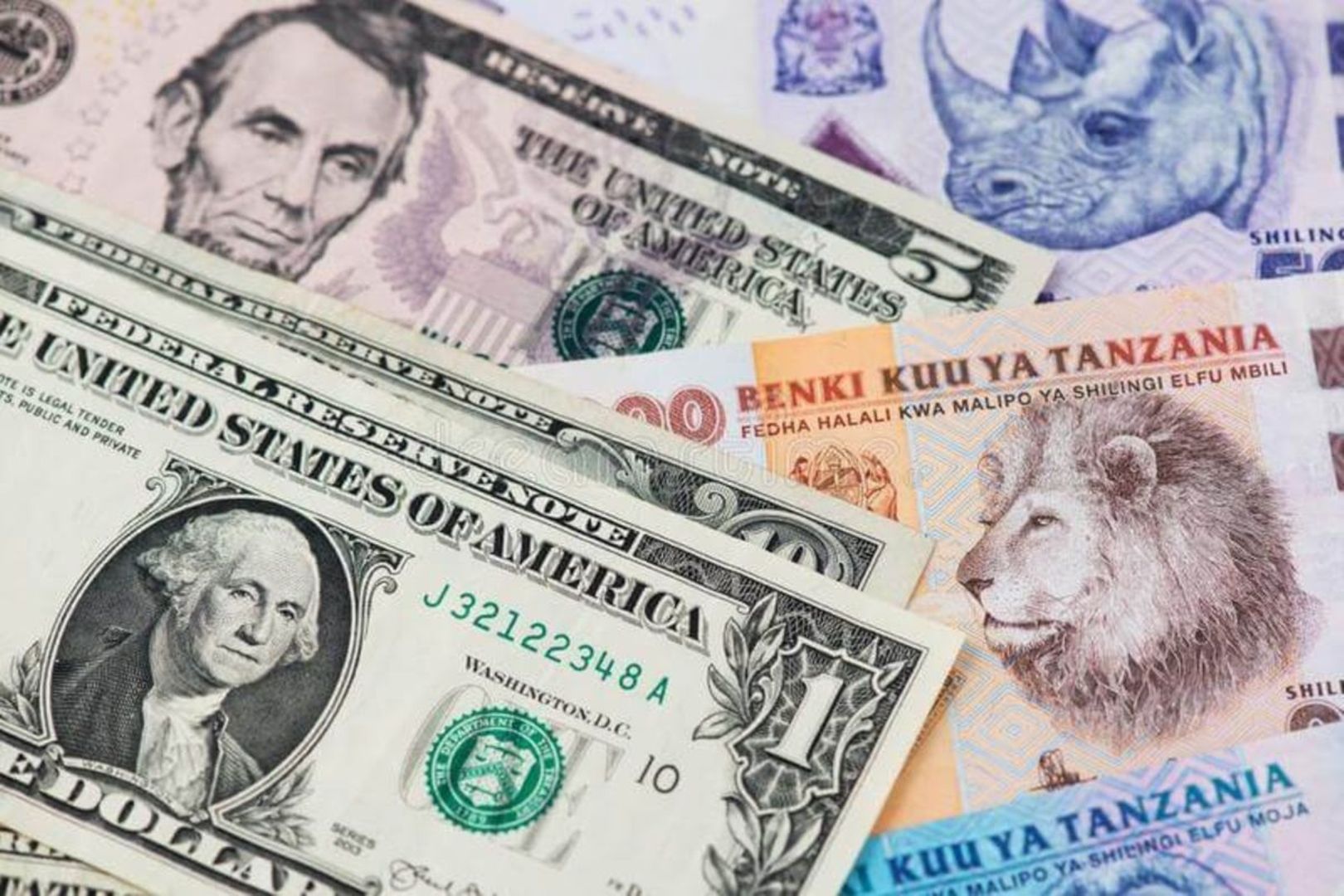
Shilling weakens again as BoT cites seasonal forex shortage

Shilling pic

Dar es Salaam. The Tanzanian shilling has weakened against major foreign currencies as the Bank of Tanzania is citing seasonal changes in the wake of rush for importing from China ahead of Chinese New Year.

The local currency depreciated from an average of Sh2,450.15 per dollar to an average of Sh2,534.43 on Wednesday, February 4, 2026, according to the figures from the central bank indicative rates.
The BoT rates indicate that the shilling was supposed to exchange between Sh2,437.96 per dollar and Sh2,462.34 on January 2, 2026.

However, the rates have now changed to range from Sh2,521.82 to Sh2,547.04 on Wednesday, February 4, 2026.

Spot check from the bureau de change and commercial banks indicated that the banks were buying the dollar at between Sh2,540 and Sh2,570 while selling the greenback at between Sh2,601 and Sh2,650.

The euro traded between Sh2,985.08 and Sh3,014.90. These are the highest exchange rates seen in the past six months. A similar level was last recorded in July last year.

The BoT described the trend seasonal due to low exports from the sectors such as tourism, mining, and agriculture.

“The shilling is now weakening due to a seasonal drop in foreign currency earnings from agriculture, mining, and tourism between January and May, while demand for dollars increases,” said the Bank of Tanzania Governor Emmanuel Tutuba.

He explained that many traders need dollars to import goods, especially from China, ahead of the Chinese New Year. After strong Christmas sales, businesses have more shillings and use them to buy dollars to restock goods.

Chinese New Year in 2026 falls on February 17, marking the start of the Year of the Fire Horse, which lasts until February 5, 2027. This 16-day celebration of the Spring Festival, running from the new moon to the Lantern Festival on March 3, 2026, represents a period of energy, passion, and rapid change.

According to the Bank of Tanzania (BoT), the shilling started to lose a bit of strength from February 1 after staying fairly stable from July last year through the end of January.

Although the shilling strengthened in the second half of last year with the dollar trading around Sh2,440 in October, Sh2,414–Sh2,438 in November, Sh2,428–Sh2,453 in December, and remaining relatively firm at Sh2,446–Sh2,471 by mid-January.

Mr Tutuba said October to December is usually a busy period when businesses make good sales, which leaves more shillings circulating in the economy. But after that, demand shifts toward foreign currency.

Using tourism as an example, he explained that visitor numbers are usually lower in January and increase again from June onward. Many crops are also not ready for export early in the year.

He noted that Tanzania’s agricultural export cycle shows cashew trading running from September to January and cotton exports peaking around October, while most coffee farms are currently in the growing rather than harvesting stage.

“In mining, heavy rains affect small-scale miners, who often have to stop working for safety reasons. Their work usually picks up again around May,” he explained.

Mr Tutuba said that the weakening of the shilling currently is driven by such circumstances pushed by demand and supply forces.

Economists say the depreciation of the shilling at this time was expected due to Tanzania’s dependence on on the seasonal exports.

Independent economist Oscar Mkude said Tanzanian exports are sold as raw materials, without much processing.

“Since many exports are seasonal, dollar shortages tend to happen at certain times of the year,” he said.

“When fewer dollars are coming in, importers compete for the limited supply. They must use more shillings to buy each dollar. This pushes up the dollar’s price and weakens the shilling,” he said.

Another economist, Dr Goodhope Mkaro, agrees that the state of the current performance of the shilling is normal for the start of the year.

He says tourism in January is much lower than in December, which reduces dollar earnings.

“At the same time, businesses still need foreign currency to run their operations and import goods,” he said.