Silent hepatitis threat prompts call for early screening, vaccination
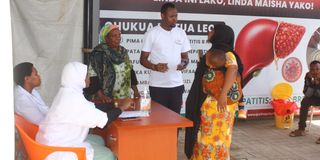
Doctors from Siha Polyclinic in Tanga provide free hepatitis screening and treatment services to members of the public to mark World Hepatitis Day. PHOTO | MBONEA HERMAN
Tanga. Health experts have urged adults aged 19 and above to undergo hepatitis screening and receive vaccination, warning that the disease can remain undetected for months while causing serious damage to the liver and other vital organs.
The call was made on Tuesday July 28, 2026, during commemorations of World Hepatitis Day, as Siha Polyclinic in Tanga launched a week-long campaign offering free hepatitis testing and vaccination to the public.
Speaking at the event, one of the hospital workers, Dr Penina Sikira, said people aged 19 and above are among those most at risk of hepatitis infection because the modes of transmission are similar in many respects to those of the Human Immunodeficiency Virus (HIV).
She said one of the greatest challenges is that infected individuals can live with the virus for more than six months without experiencing symptoms, delaying diagnosis and treatment while increasing the risk of severe complications.
"If treatment is not sought early, the virus continues to attack the liver and may eventually affect other vital organs such as the kidneys. It also weakens the immune system, making patients more vulnerable to other diseases," she said.
Dr Sikira said hepatitis symptoms may include yellowing of the eyes and urine, pain in the upper abdomen, fever and fatigue, although some patients may show no symptoms at all.
She explained that hepatitis is caused by five types of viruses, namely Hepatitis A, B, C, D and E.
Citing figures from the World Health Organisation (WHO), Dr Sikira said more than 254 million people worldwide are living with chronic hepatitis B infection, while over 1.1 million new infections are recorded each year.
She said the hospital had decided to mark this year's World Hepatitis Day by providing free screening and vaccination services to help residents know their health status.
"Anyone diagnosed with hepatitis will begin treatment immediately, while those who test negative will receive a vaccine to protect them against infection. We encourage the public to take advantage of this opportunity," she said.
Siha Polyclinic Medical Officer in Charge, Dr Kasanga Bashiru, said Tanga remains among the regions with a high burden of hepatitis infections, underscoring the need for greater public awareness and stronger collaboration between communities and healthcare stakeholders.
He said the week-long campaign aims to screen and vaccinate at least 150 people, although the hospital hopes the turnout will exceed that target.
"We have officially launched the testing and vaccination exercise, which will continue for one week. We encourage as many people as possible to participate," he said.
Pastor Dr Gidion Lukindo said the liver plays a critical role in processing nutrients and removing toxins from the body, warning that diseases affecting the organ can have far-reaching health consequences.
He urged the public to ignore misinformation surrounding hepatitis testing and vaccination, stressing that both services are safe and effective.
"Some people avoid testing because they believe false information. The truth is that early screening allows people to begin treatment promptly or receive a vaccine if they are not infected," he said.
Tangasisi Ward councillor Bunu Bahero, who participated in the exercise, said he tested negative for hepatitis and was subsequently vaccinated.
He encouraged residents to make use of the free services, saying knowing one's health status is an important step towards protecting both individuals and their families from hepatitis infection.
"We should not fear getting tested. This is an opportunity to know our health status and receive protection early. I urge everyone to take advantage of these essential services," he said.